If you only know Annapolis as a weekend destination, you might wonder what happens after the visitors leave and the harbor quiets down. The truth is that living in Annapolis year-round feels less like a vacation town and more like a compact, active waterfront city with real routines, real tradeoffs, and a strong sense of place. If you are thinking about moving here, this guide will help you understand what daily life actually looks like through the seasons. Let’s dive in.
Annapolis Feels Small but Lively
Annapolis is a compact city of 40,689 residents packed into just 7.21 square miles. That gives it a denser, more established feel than many suburban parts of the DMV, with a mix of homes, businesses, offices, and waterfront spaces close together.
You feel that scale in everyday life. Errands, dining, events, and waterfront activities are all woven into a smaller footprint, which can make the city feel connected and active. At the same time, that compact layout means parking, traffic flow, and busy-season logistics matter more here than they might in a spread-out suburb.
The Waterfront Shapes Daily Life
In Annapolis, the water is not just scenery. It is part of how the city functions and how many residents spend their time, especially from spring through fall. The Harbormaster manages more than 17 miles of shoreline, along with moorings, bulkhead space, and slips at City Dock.
That waterfront identity shows up in everything from boating activity to dining patterns to local traditions. Ego Alley, marinas, sailing activity, and public access points all help make the harbor a daily part of life rather than a once-in-a-while attraction.
If you love the idea of living near the water, Annapolis delivers that coastal feel in a real way. But it also comes with practical realities, especially in the lowest-lying waterfront areas where nuisance flooding can happen in any season and is most common from March through September.
Seasons in Annapolis Are Part of the Appeal
One reason people enjoy Annapolis year-round is that the seasons are distinct without being extreme compared with colder Northeast markets. NOAA climate normals show an average January high of 43.1 degrees and low of 29.8 degrees, while July averages reach 86.0 degrees for the high and 71.9 degrees for the low.
That means much of the year supports outdoor living. Spring, summer, and fall tend to be the strongest seasons for walking around downtown, spending time near the water, and enjoying events. Winters are cooler, of course, but generally mild enough that the city still feels active.
Annapolis also gets about 43.99 inches of precipitation per year, so weather planning is part of everyday life. If you are considering a move, it helps to think beyond postcard-perfect days and picture how you will use the city in rain, cooler temperatures, and busy seasonal transitions.
Neighborhood Life Varies by Area
Downtown Annapolis
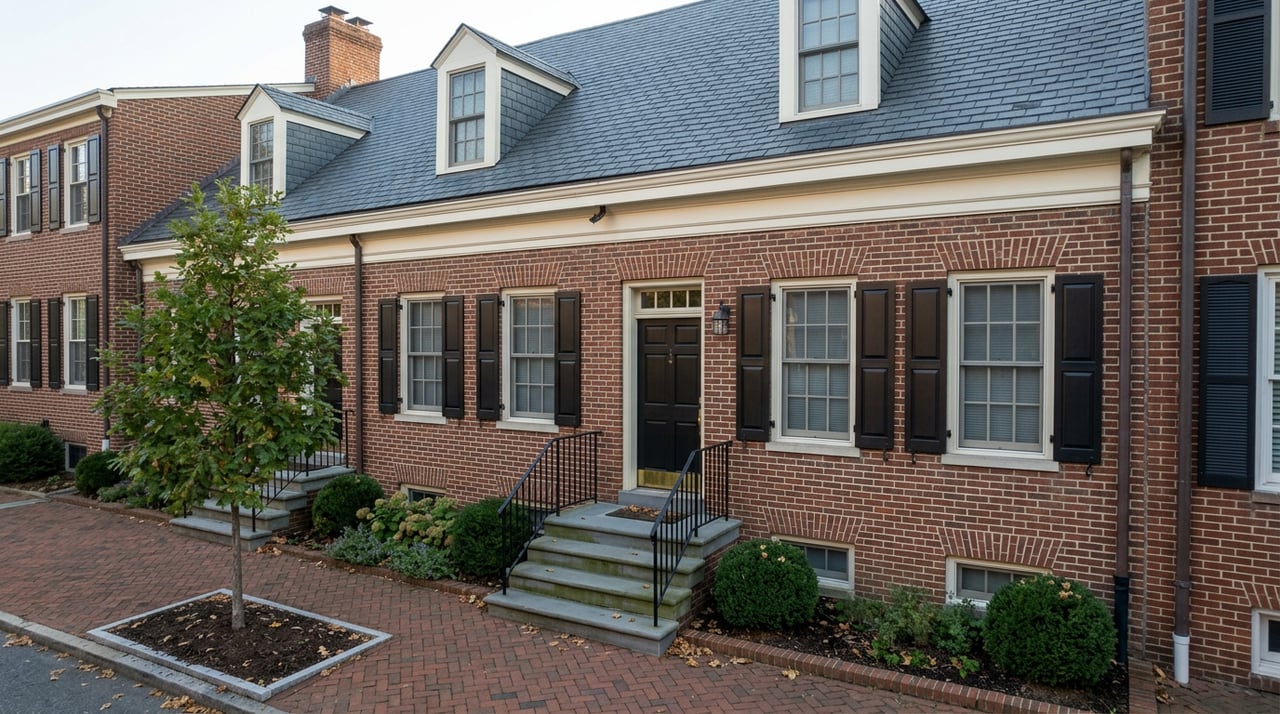
Downtown Annapolis offers the most historic and walkable setting in the city. The area includes brick streets, historic homes, sidewalk cafes, harbor activity, government offices, St. John’s College, and the U.S. Naval Academy, all within a compact urban setting.
Living downtown can feel immersive and convenient if you want to be close to shops, dining, and the waterfront. The tradeoff is that this is also the area most exposed to tourism, events, and some of the city’s most noticeable parking and flooding challenges.
Eastport
Eastport is often the go-to choice for people drawn to a boating-centered lifestyle. The city describes it as the maritime heart of Annapolis, with homes alongside marine businesses, sailing schools, and boatyards.
If you want a neighborhood where harbor culture feels especially present, Eastport stands out. Daily life here can include more boating traffic, more waterfront activity, and more of that working-maritime energy that many people specifically want when they choose Annapolis.
West Annapolis
West Annapolis has more of a neighborhood main street feel. It serves as a key entry point into the city and includes boutiques, antique stores, services, and a large concentration of professional and healthcare offices.
For some buyers, that mix feels practical and convenient. It offers a different rhythm than downtown or Eastport, though parking pressure can still be part of the picture because of the area’s retail, dining, office, school, and event-related activity.
Upper West Street and Forest Drive
If you want easier access to everyday conveniences and regional roads, Upper West Street and Forest Drive are worth a look. These areas include a mix of retail, office, light industrial, and urban-residential spaces, along with good access to Routes 2 and 50.
That can be especially appealing if your routine includes commuting toward Washington or Baltimore. These corridors may feel more function-driven than waterfront-focused, but for many residents, that balance works well for daily life.
Housing Feels Mixed, Older, and Competitive
Annapolis housing is not one-note. According to a city market study, the housing stock is 38.2% single-family detached, 21.6% single-family attached, and 40.2% multifamily, which helps explain why the city feels more varied and denser than a typical outer-ring suburb.
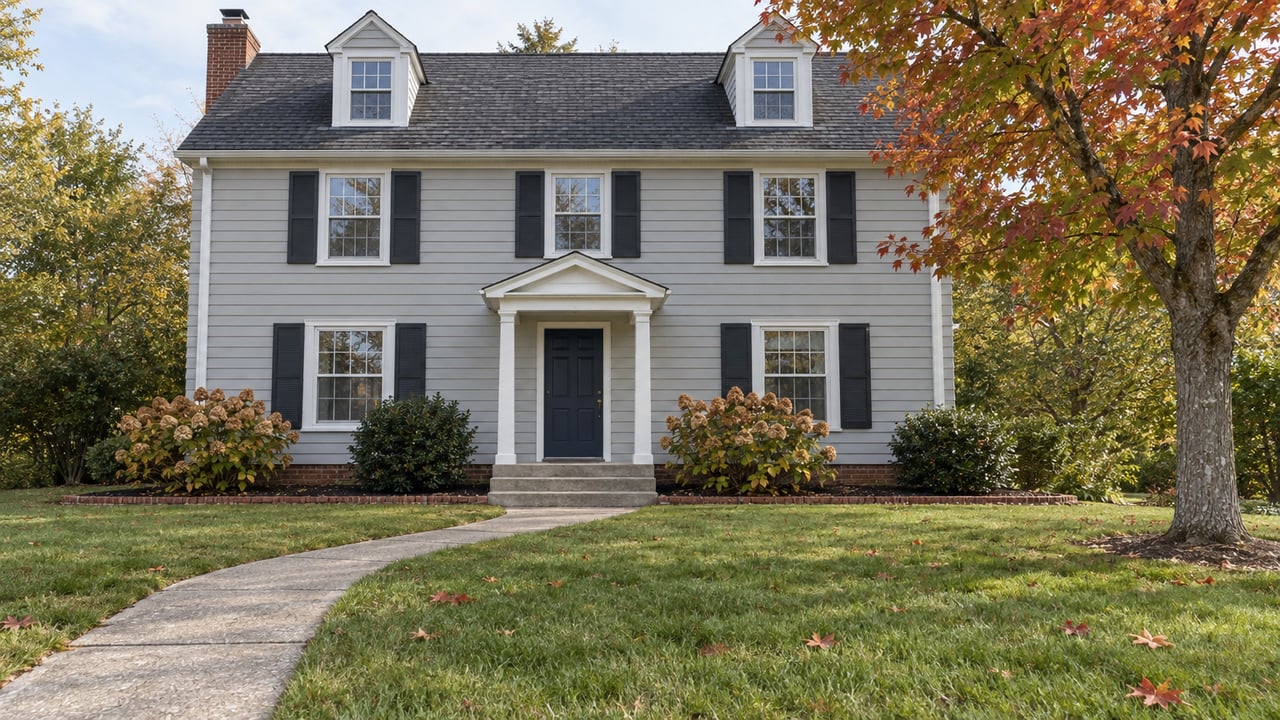
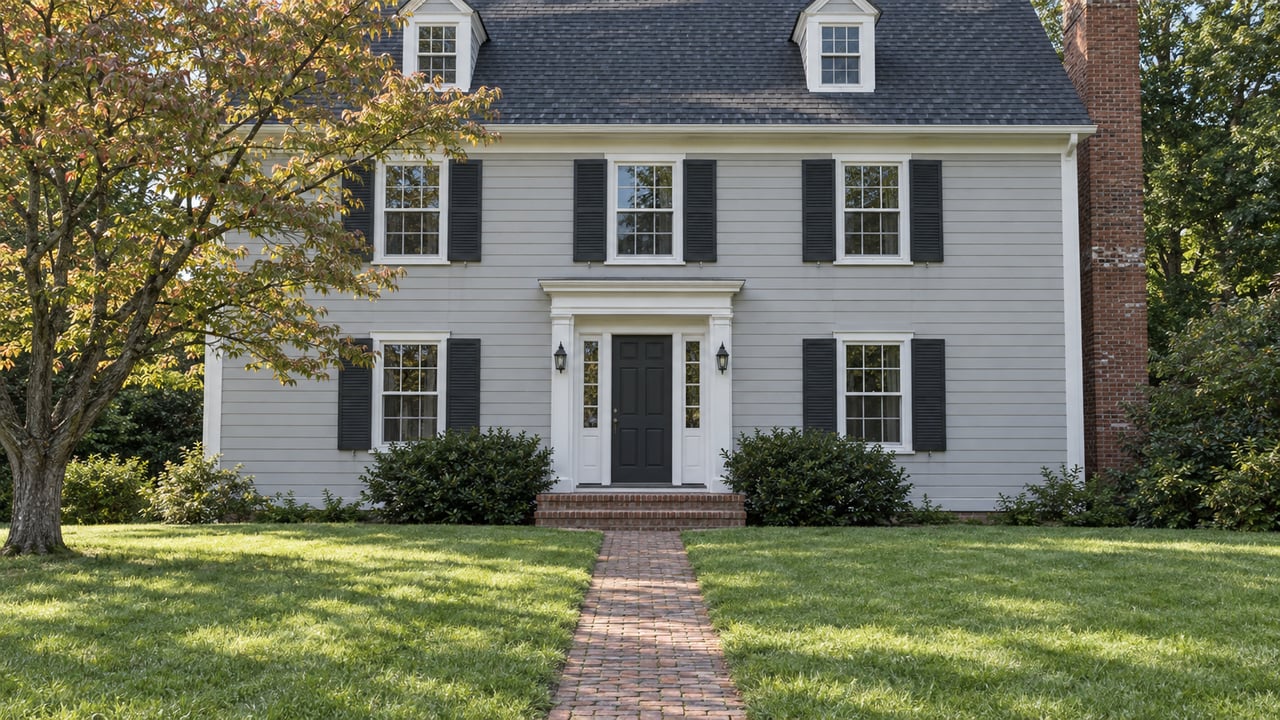
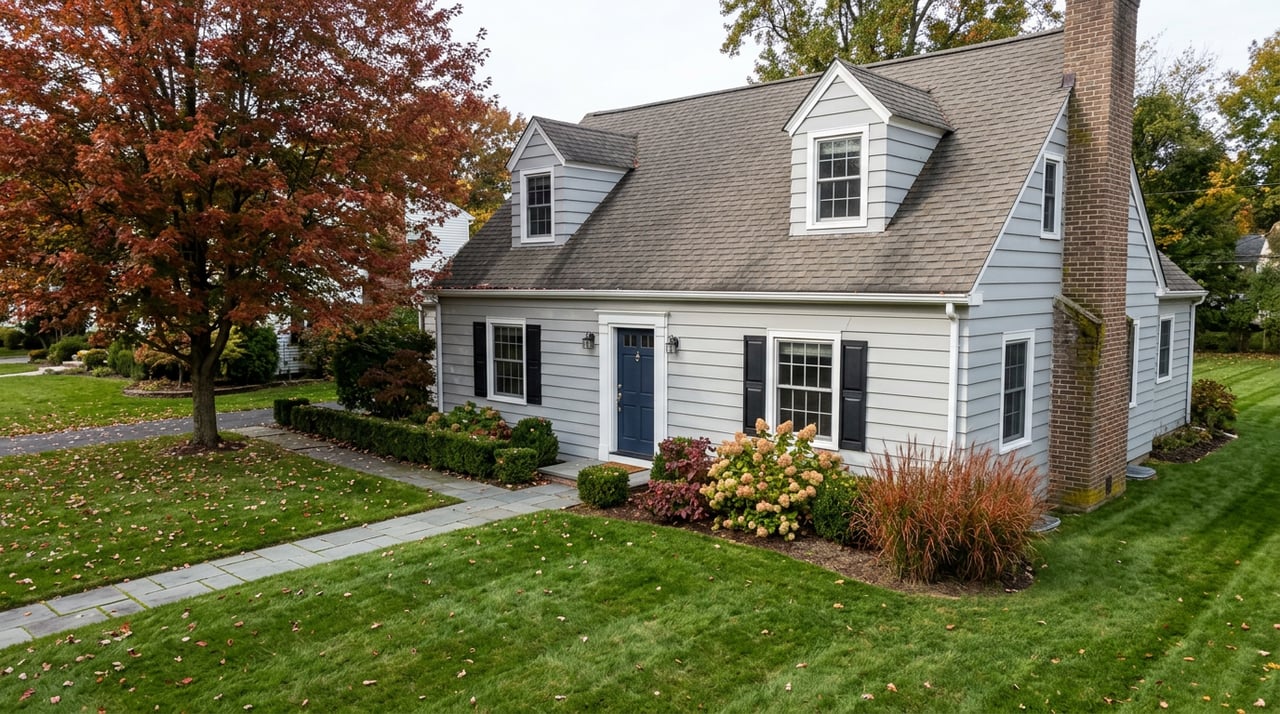
The same study found a median year built of 1972, and 63.6% of housing units were built before 1980. In practical terms, that means you will find plenty of character and neighborhood texture, but you may also see older layouts, older systems, and a broad range of property conditions depending on where you look.
Cost is also an important part of the year-round living picture. Census data shows a median owner-occupied home value of $548,900, a median gross rent of $1,860, and a 62.0% owner-occupied rate, which points to a relatively high-cost and established market.
Commuting Is Doable With Planning
Many people are drawn to Annapolis because it offers a waterfront lifestyle while still connecting to larger job centers. The Census reports a mean travel time to work of 29.5 minutes, which gives you a sense of the city’s commuter reality.
For local transportation, Annapolis Transit provides fixed-route buses, ADA paratransit, a free downtown shuttle, and the on-demand Go! Time service within city limits. The city also runs free electric trolleys on weekends in spring and summer, though they do not operate in inclement weather.
For regional commuting, Maryland Transit Administration commuter bus routes connect Annapolis with Washington, DC and Baltimore. The city also points residents toward connections such as New Carrollton Metro Station and BWI-related transit options, which means commuting is possible, but it usually takes planning rather than a rail-at-your-door lifestyle.
Parking Is a Real Part of Life
If you live in Annapolis year-round, you will quickly learn that parking is not a small issue. The city manages downtown parking through garages, lots, permits, and on-street tools, and different operators handle different areas.
That may sound like a minor detail, but it affects daily routines. If you live or spend a lot of time near downtown, City Dock, or West Annapolis, parking availability, permit rules, and event traffic can shape how convenient your week feels.
This does not mean Annapolis is hard to live in. It just means that part of living well here is understanding the practical side of the city, not only the charming side.
Events Keep the City Active All Year
One of the biggest benefits of living in Annapolis year-round is that the city stays socially active across the seasons. Local programming includes boat shows, New Year’s Eve celebrations, Maryland Day events, garden events, and well-known traditions like the Eastport Yacht Club Lights Parade.
That steady event calendar helps the city feel vibrant beyond summer. Even in colder months, there is still a rhythm to waterfront life, community gatherings, and seasonal traditions that keeps Annapolis from feeling sleepy.
Of course, busy events can also mean heavier traffic, tighter parking, and more complicated access near the waterfront. For many residents, that is simply part of the tradeoff for living in a place with this much character and activity.
Flooding and Resiliency Matter
If you are considering Annapolis seriously, flooding should be part of your year-round lifestyle evaluation. The city notes that nuisance flooding is most common from March through September and affects the lowest-lying areas around downtown Annapolis, City Dock, and Eastport.
The City Dock Resiliency Project is also underway, which means some waterfront amenities are currently disrupted while the city adapts to sea-level-rise and flooding concerns. That is important context if you are picturing daily walks, parking patterns, or easy waterfront access in those areas.
This does not mean you should rule out waterfront living. It means you should go in with a clear understanding of how location can affect convenience, access, and long-term comfort.
Who Tends to Love Annapolis Year-Round
Annapolis tends to appeal most to people who want a historic, coastal city with real harbor culture and neighborhood variety. You might especially enjoy it if you like walkability, boating energy, local events, and a setting that feels more connected and urban than a typical suburb.
It can also be a strong fit if you want to stay connected to Washington or Baltimore while living in a place with a distinct identity. For military and relocating households, that balance can be especially attractive when lifestyle and commute both matter.
The people who usually do best here are the ones who appreciate the charm and plan for the logistics. In Annapolis, the beauty is real, but so are the everyday details.
If you are weighing whether Annapolis fits your lifestyle, budget, or commute, a local guide can help you narrow down the areas that make the most sense for how you actually live. When you are ready for that kind of practical, protective support, connect with Sharron Owens.
FAQs
What is daily life like in Annapolis year-round?
- Daily life in Annapolis feels active, compact, and waterfront-oriented, with a mix of neighborhood routines, seasonal events, harbor activity, and practical considerations like parking and traffic.
Is Annapolis a good place for commuters?
- Annapolis can work well for commuters because it has road access to regional job centers, local transit services, and Maryland commuter bus routes to Washington, DC and Baltimore, but most commuters still need to plan carefully.
What are the main downsides of living in Annapolis?
- The biggest practical challenges are parking complexity, traffic and congestion during busy seasons or events, flooding risk in low-lying waterfront areas, and the costs of living in an established market.
Which Annapolis neighborhoods feel most different from each other?
- Downtown Annapolis stands out for walkability and historic character, Eastport for maritime energy and boating culture, West Annapolis for a neighborhood main street feel, and Upper West Street and Forest Drive for convenience and road access.
Is Annapolis expensive compared with other places?
- Annapolis is generally a relatively high-cost market, with Census data showing a median owner-occupied home value of $548,900 and a median gross rent of $1,860.
Does Annapolis stay active in winter?
- Yes, Annapolis stays active in winter thanks to city events, waterfront traditions, and generally milder winter temperatures than some colder Mid-Atlantic and Northeast markets.