Buying a Baltimore rowhome for long-term rental income can look simple on paper. The numbers may seem approachable, the housing style is iconic, and renter demand is a major part of the city’s market. But if you want an investment that performs over time, you need to look beyond the list price and understand how Baltimore’s older housing stock, vacancy patterns, and rental rules affect your plan. Let’s dive in.
Why Baltimore Rowhomes Draw Investors
Baltimore is a natural place to study rowhome rentals because attached housing is a major part of the city’s housing stock. According to the 2020-2024 American Community Survey data for Baltimore City, 50.4% of housing units are 1-unit attached, which makes that the best citywide proxy for rowhomes.
That same dataset shows why long-term rentals stay part of the conversation here. 52.5% of occupied units are renter-occupied, the median gross rent is $1,331, and the median value of owner-occupied housing units is $229,600. For investors, that combination often signals a market where attached homes can offer a lower entry point than many other East Coast cities.
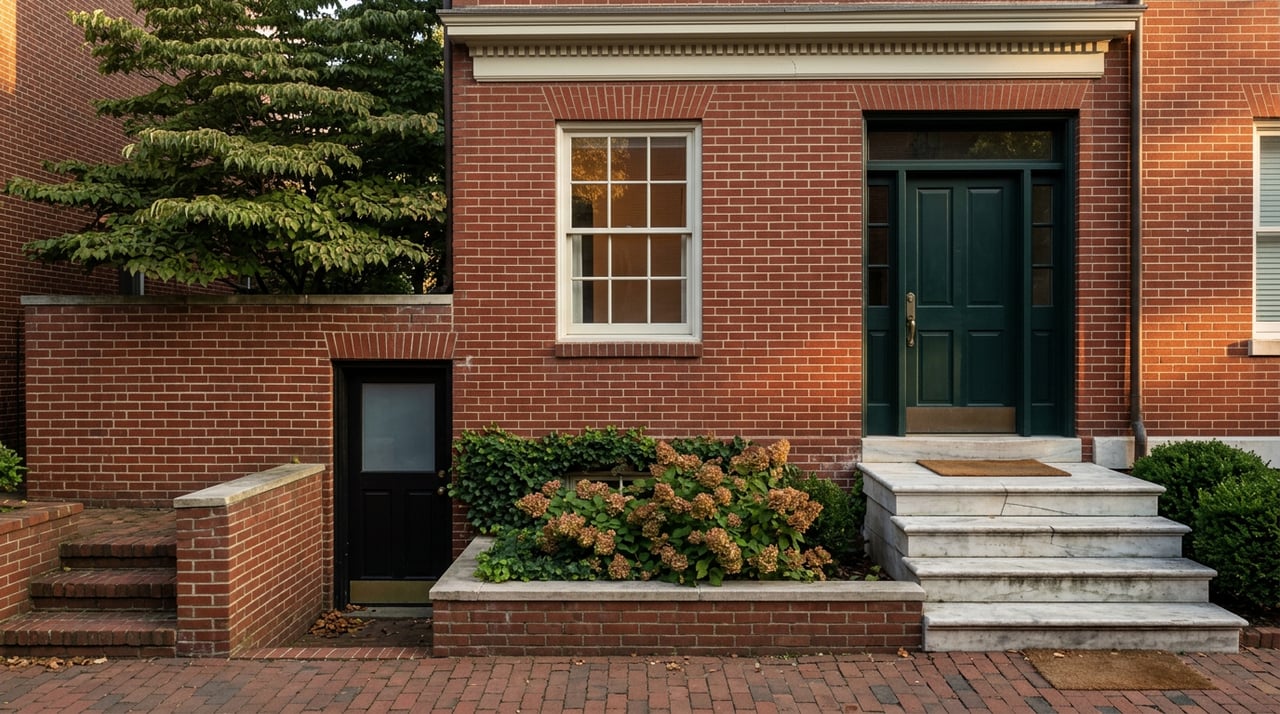
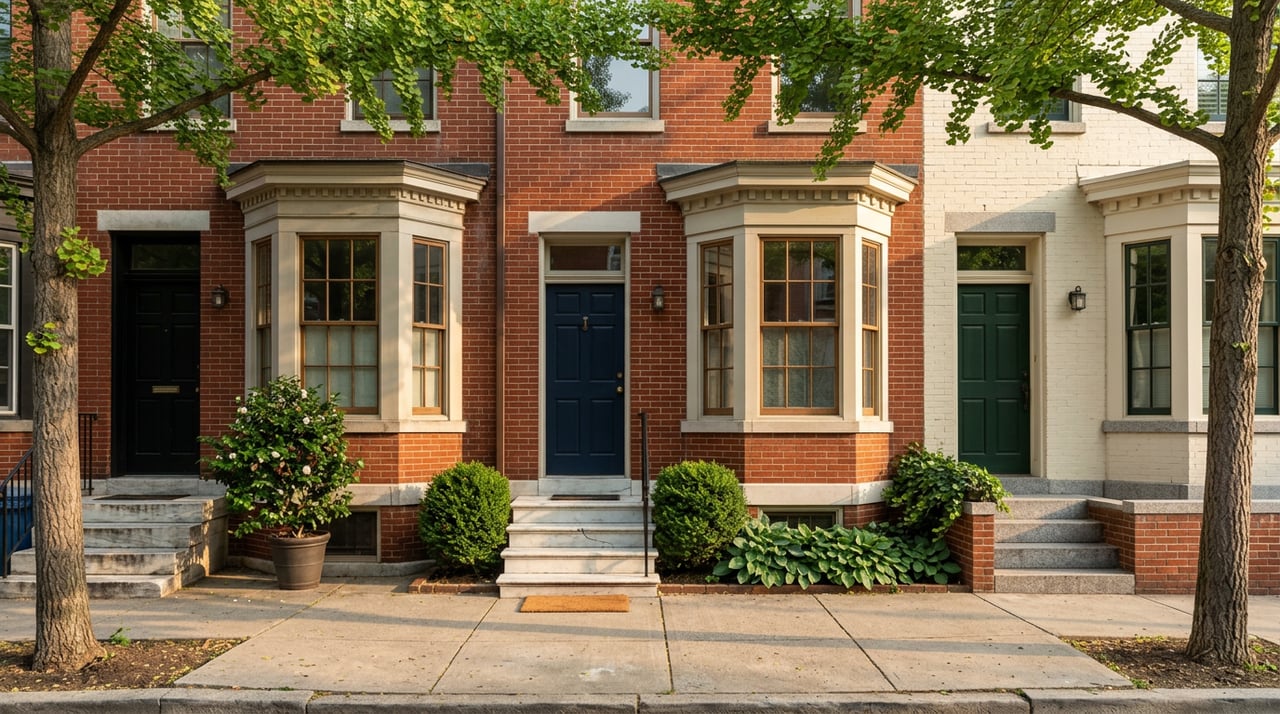
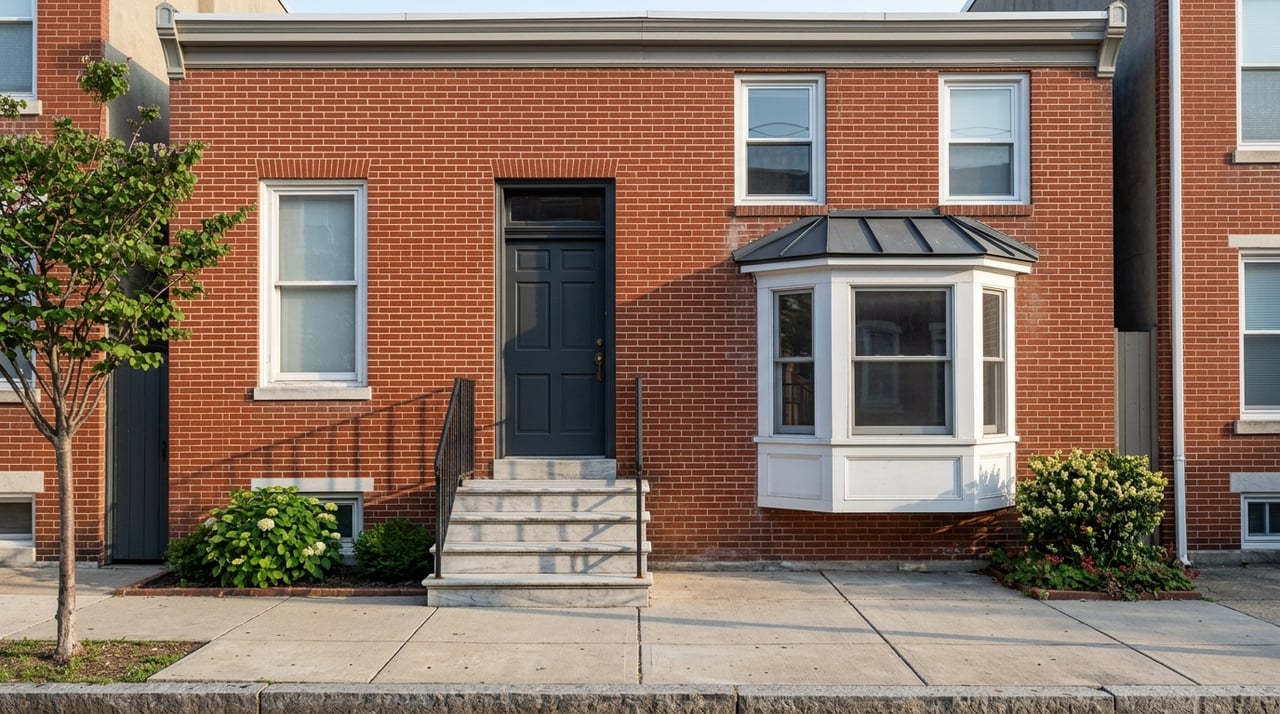
Baltimore rowhomes also have a physical layout that many buyers recognize right away. City preservation materials describe traditional rowhouses as narrow brick homes, often two to three stories, with flat facades, and in one historic district description, units are noted as roughly 12 to 14 feet wide. That matters because layout, age, and shared walls can shape renovation costs, maintenance planning, and tenant expectations.
What Makes Baltimore Different
Baltimore averages only tell part of the story. In this market, one block can feel very different from the next in terms of condition, vacancy, and renovation activity.
An Urban Institute summary noted that by 2020, Baltimore had more than 16,000 vacant buildings, citywide residential vacancy stood at 7.7%, and some East and West Baltimore neighborhoods had vacancy rates as high as 32%. The same piece also points out that rowhome construction often includes common walls and flat roofs, which can affect adjoining properties.
That block-by-block reality is one reason investors need to underwrite carefully. A rowhome that looks attractive online may sit on a block with very different conditions than the broader ZIP code suggests. If you are buying for long-term rental income, neighborhood and property-level due diligence matter just as much as the asking price.
Key Numbers to Model First
Before you get attached to a property, start with the basics of income, taxes, and vacancy. Baltimore can work for long-term investors, but only if your numbers are realistic.
Rent and vacancy assumptions
The ACS reports a 4.8% rental vacancy rate and 39,364 vacant housing units, or 13.3% of the city’s housing stock, in Baltimore City according to the same ACS report. Those are different metrics, but together they suggest that vacancy planning should be treated as a normal operating cost, not a rare surprise.
That means your pro forma should leave room for:
- Turnover time
- Make-ready repairs
- Leasing costs
- Periods of nonpayment or delayed occupancy
- Preventive maintenance on older systems
Property tax planning
Taxes are another big underwriting item. Baltimore City’s FY2026 real property tax rate is $2.248 per $100 of assessed value, according to the city budget summary.
The same document notes a lower effective rate for owner-occupied homes under the Targeted Homeowners Tax Credit at $2.048 per $100. If you are buying a rowhome as a rental, you should model carrying costs using the base city rate for investment property, not the owner-occupied figure.
Older Rowhomes Need Deeper Due Diligence
One of Baltimore’s biggest opportunities is also one of its biggest risks: age. The ACS shows 41.1% of housing units in the city were built in 1939 or earlier. Older homes can have character and rental appeal, but they can also bring more compliance and rehab issues.
Lead law is not optional
If the property was built before 1978, lead compliance should be one of your first questions. The Maryland Department of the Environment says 95% of Maryland housing units built before 1978 contain lead paint in some form, according to its lead FAQ page.
For pre-1978 rental properties, MDE states that:
- The property must be registered
- A new registration is required within 30 days of purchase
- Renewals are due every two years beginning January 1, 2026
- The renewal fee rises to $75
- Lead-risk reduction work is required at turnover or change in occupancy
- Tenants must receive lead education materials
MDE also explains that lead-related work for rental owners must be handled by accredited inspectors and contractors. If tenants must leave for more than 24 hours during treatment, the owner must provide temporary lead-safe housing and pay reasonable expenses.
City licensing comes first too
Baltimore City requires rental properties to be registered, inspected, and licensed. According to the city’s registration and licensing guide, this applies to all one- and two-family dwellings as well as multifamily buildings.
The guide also says registration is required whether the property is occupied, vacant, or unoccupied. A property must pass inspection before a rental license is issued, and the inspection must be completed by a Maryland State Licensed Home Inspector who is registered with DHCD.
If you skip this step, the consequences can be expensive. The same city guide says failure to comply can result in a $1,000 fine plus license suspension, revocation, or denial.
Watch for Vacant Building Problems
Distressed rowhomes can look like value-add opportunities, but not every vacant property is ready for a rental strategy. This is one of the easiest places for an investor to get into trouble.
Baltimore’s code states that if a property has a Vacant Building Notice, it may not be legally inhabited until a valid Use and Occupancy Permit removes that notice. The code also says sellers must disclose vacant-notice status before sale.
If you are buying a fixer-upper, make this part of your pre-closing checklist. A lower purchase price does not help much if the path to lawful occupancy is longer, costlier, or more uncertain than expected.
Historic District Rules Can Affect Rehab
Some Baltimore rowhomes sit in local historic districts. If that is the case, exterior changes may need review and approval from CHAP.
Baltimore’s preservation page explains that local historic district status triggers design review, while National Register status alone is honorary and does not create that same review requirement unless the property is also locally designated. For investors, that distinction matters when budgeting exterior repairs, windows, doors, masonry work, or facade changes.
Property Management Needs Local Knowledge
A good manager can help protect your time and your asset, but in Baltimore, local compliance knowledge matters just as much as tenant communication.
Maryland law defines real estate brokerage services to include leasing and collecting rent for another person. That means if someone is handling leasing or rent collection for you, you should confirm they are properly licensed or operating under a licensed broker.
This matters even more because state lead rules and city rental licensing are separate systems. MDE makes clear that city registration and licensing requirements are separate from state lead compliance. In practice, that means your manager or support team needs to understand both.
A Smart Baltimore Rowhome Checklist
If you are thinking about buying a Baltimore rowhome for rental income, keep your review process simple and disciplined.
Before you buy, ask:
- Is the home pre-1978, and what lead compliance steps apply?
- Does it already have Baltimore City rental registration and a valid rental license?
- Has the property passed the required inspection process?
- Is there a Vacant Building Notice or Use and Occupancy issue?
- Is the home in a local historic district?
- Are you modeling property taxes at the non-owner-occupied city rate?
- Have you built vacancy and turnover costs into your underwriting?
- If using a manager, are they properly licensed for leasing and rent collection?
The Long-Term Opportunity
Baltimore rowhomes can make sense as long-term rental assets because the city has a large attached-housing base, a renter-heavy occupancy mix, and price points that may still look approachable compared with nearby markets. But this is not a plug-and-play investment strategy.
The strongest outcomes usually come from careful block analysis, realistic expense planning, and full respect for city and state compliance rules. If you buy with clear eyes, older rowhome inventory can offer long-term potential. If you rush the due diligence, small issues can turn into expensive delays.
If you want a local advocate who will help you think through Baltimore investment property with care, strategy, and straight answers, connect with Sharron Owens. You deserve guidance that protects your downside as much as it supports your goals.
FAQs
What makes Baltimore rowhomes attractive for long-term rental income?
- Baltimore has a large supply of attached housing, a renter-occupied rate of 52.5%, a median gross rent of $1,331, and a median owner-occupied home value of $229,600, which can make rowhomes appealing to long-term investors.
What property tax rate should Baltimore rental investors use?
- Baltimore rental investors should generally model the FY2026 base city real property tax rate of $2.248 per $100 of assessed value, not the lower owner-occupied rate tied to the Targeted Homeowners Tax Credit.
What lead rules apply to older Baltimore rental properties?
- For pre-1978 rentals, Maryland requires registration, new registration within 30 days of purchase, periodic renewals, lead-risk reduction work at turnover or change in occupancy, and tenant lead education materials.
What rental license does a Baltimore rowhome need?
- Baltimore City requires rental properties to be registered, inspected, and licensed, and the property must pass inspection before the rental license is issued.
What is a Vacant Building Notice in Baltimore?
- A Vacant Building Notice means the property may not be legally inhabited until a valid Use and Occupancy Permit removes the notice, so buyers should verify this before closing on a distressed rowhome.
Why does local property management matter for Baltimore rentals?
- Local property management matters because Baltimore rentals often involve separate city licensing and state lead compliance requirements, and Maryland law treats leasing and rent collection for another person as brokerage services that require proper licensing.