Thinking about a move to Upper Marlboro and trying to decode the differences between garage townhomes, classic colonials, and new master-planned neighborhoods? You’re not alone. As an out-of-state buyer, it’s hard to know how home types, HOAs, and condo rules will shape your routine and your budget.
This guide walks you through the most common homes you’ll find in Upper Marlboro, how local HOAs and condo associations work day to day, and what fees and documents to review before you make an offer. You’ll leave with clear checklists and questions to help you buy with confidence. Let’s dive in.
What you’ll find in Upper Marlboro
Garage townhomes: style and HOA fit
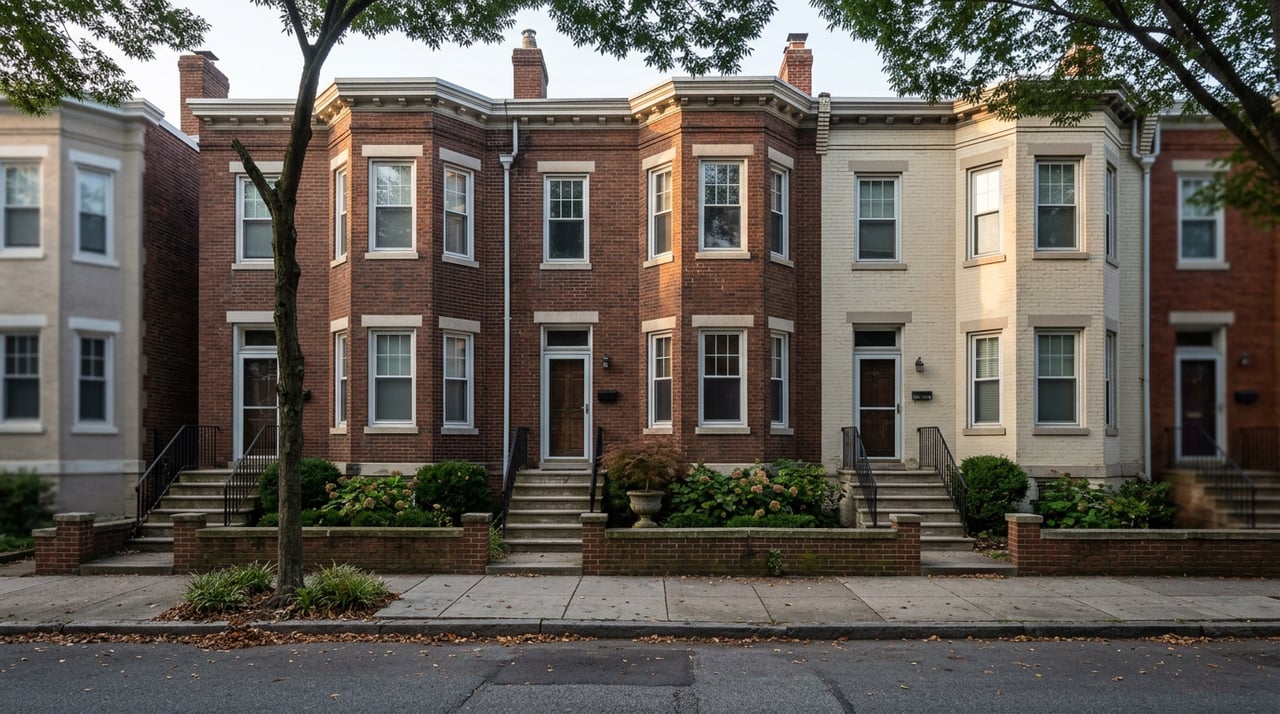
Garage townhomes are a staple in suburban Maryland. Most are two to three stories with a front-entry or integral garage on the lower level and 2 to 4 bedrooms above. You’ll find many of these communities along commuting corridors like MD-4 and US-301 and throughout Upper Marlboro’s suburban subdivisions.
Expect these neighborhoods to be part of an HOA. Many HOAs handle common elements like streetlights, landscaping, and stormwater features. Some communities are set up as maintenance-included, where exterior items such as roofs or siding are covered. Parking rules and guest permits are common, so plan ahead if you entertain.
Colonials and detached homes: space and responsibility
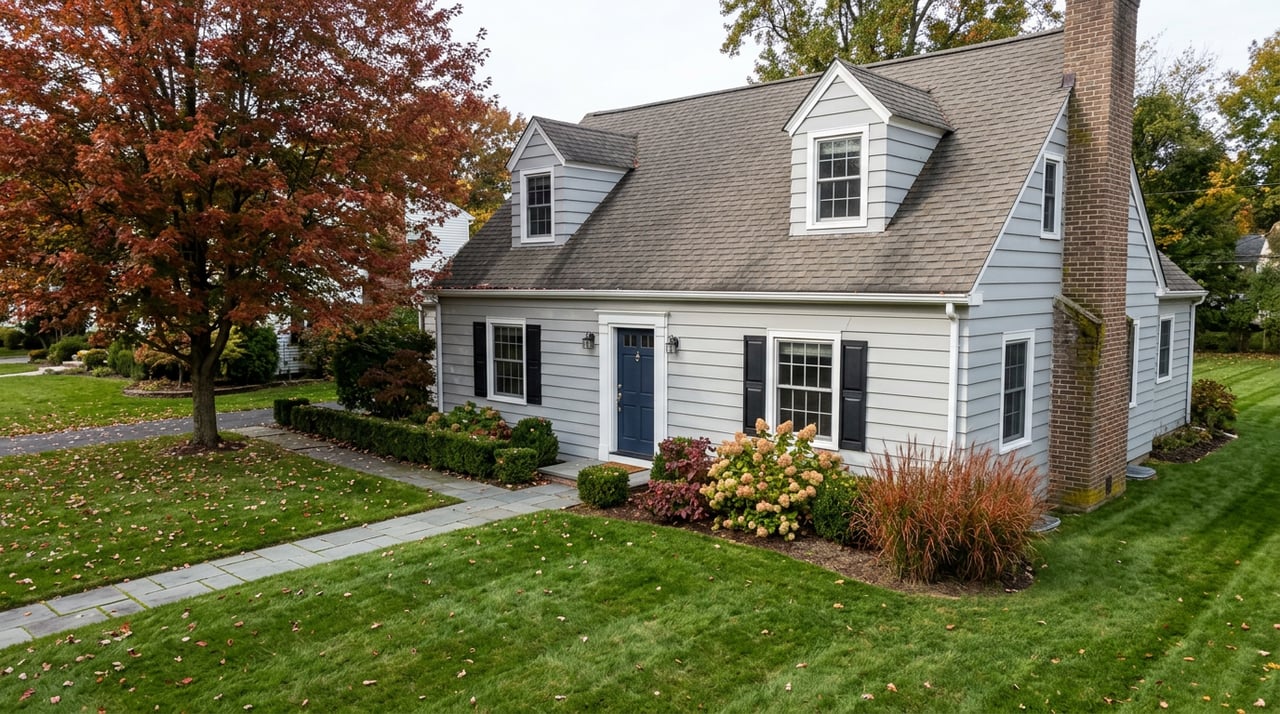
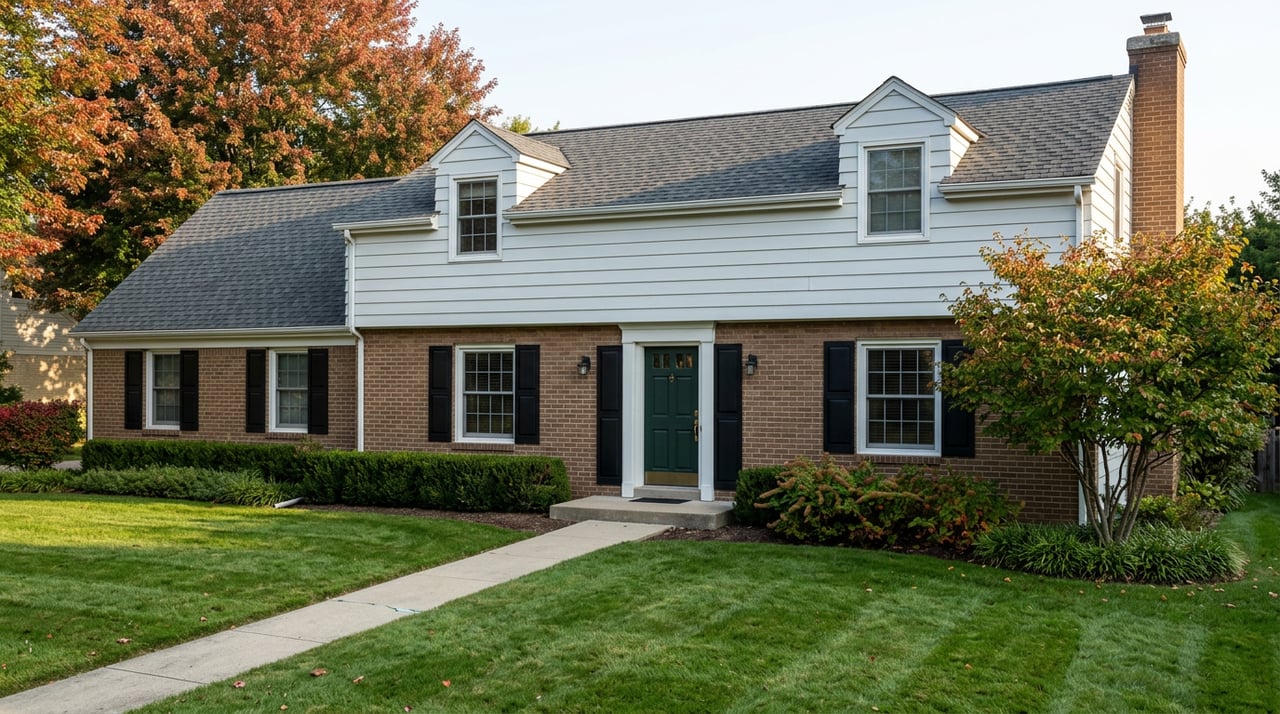
Detached single-family homes in colonial and traditional styles are widely available, from older homes in established areas to newer builds in recent subdivisions. You’ll see them around historic Upper Marlboro and throughout nearby neighborhoods across Prince George’s County.
HOA involvement varies. Some areas have no HOA or small associations that maintain entrance features and common grounds only. Newer subdivisions may offer more services and amenities. In general, detached homes shift more maintenance to you, which can mean more control and privacy along with added responsibility.
Westphalia and new master-planned builds
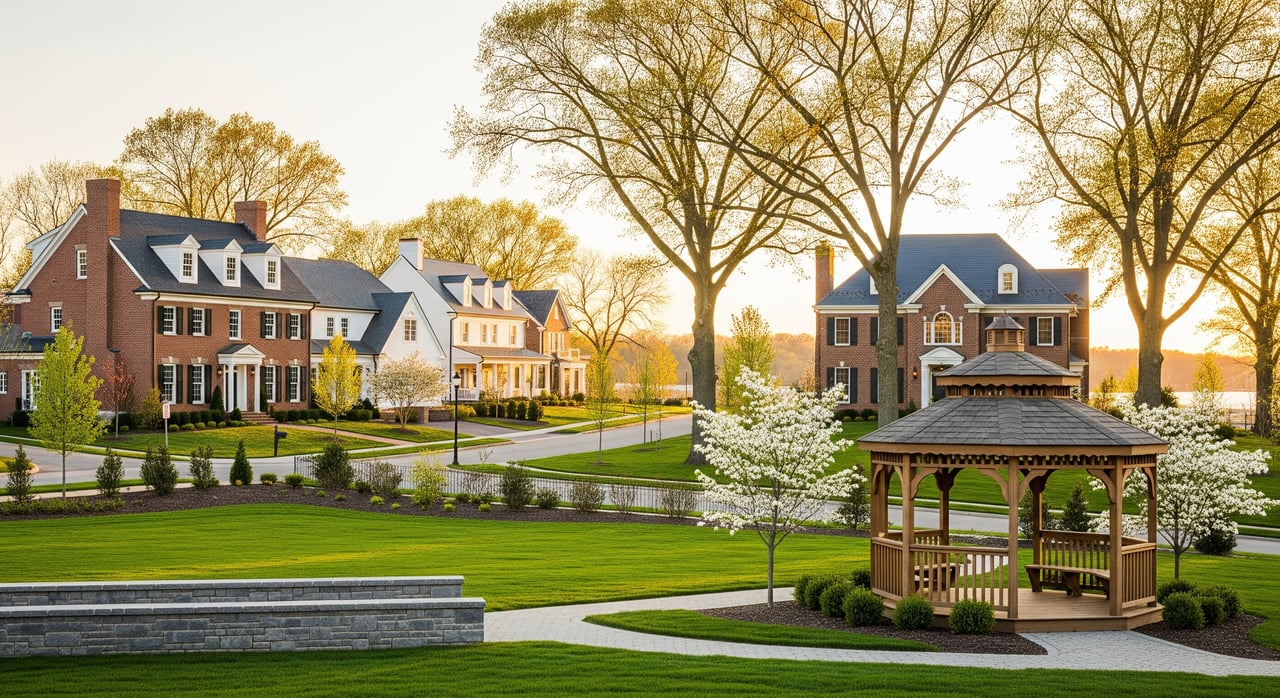
Westphalia, just west of the historic town center and near major roads toward the Beltway, showcases newer master-planned living. You’ll see a mix of single-family homes, townhomes, and condos with modern floor plans and energy-conscious construction. Communities often include trails, parks, and planned retail nodes.
Governance tends to be layered. A master HOA oversees community-wide covenants and shared public spaces, and sub-associations manage specific clusters or condo buildings. Fees can be higher where the association maintains amenities like pools, clubhouses, extensive landscaping, or gated entries. In return, you get a defined neighborhood experience and coordinated upkeep.
Condos and other options
Condominium apartments appear in mixed-use and higher-density areas. They offer a smaller footprint and shared interior common spaces, with the association handling building systems and exteriors. You may also spot duplexes or semi-detached homes in infill locations, as well as a limited number of age-restricted or active adult communities for downsizers.
Keep lifestyle in mind. Townhomes and condos often trade private yard space for lower maintenance and community amenities. Detached homes usually offer more outdoor space but put more upkeep on your calendar and budget.
How HOAs and condos work here
Two common models
- Homeowners associations govern planned subdivisions for single-family homes and townhome clusters. You typically own the dwelling and the lot. The HOA enforces covenants and maintains common areas.
- Condominium associations govern multi-unit buildings where you own your interior unit space and share ownership of common elements. The association handles many exterior and structural components.
What dues usually cover
Associations collect dues to pay for operations and reserves. Common line items include landscaping of shared areas, lighting, snow removal in common spaces, amenity operations, insurance for common elements, and management fees. Condos often cover the building’s exterior, roof, hallways, elevators, and shared systems. Some single-family HOAs include exterior services such as lawn care or gutter cleaning, either as part of dues or as optional packages.
Rules you should expect
Expect architectural guidelines for exterior changes, fence and shed rules, parking and garage use policies, and pet rules such as size limits and leash requirements. Many associations also outline rental policies, including caps on rental percentages or minimum lease terms, along with nuisance and trash placement standards.
Who manages the community
Many local associations hire professional management companies to oversee collections, vendor contracts, and enforcement. Smaller communities sometimes self-manage through volunteer boards. Self-management can reduce dues but may lead to variability in responsiveness and service consistency.
Fees and budgets: protect your numbers
What drives monthly dues
Monthly dues vary across suburban Maryland. Costs depend on how much the association maintains, the age and condition of infrastructure, and whether amenities like a pool or clubhouse are included. Always verify current dues and services in the property’s resale documents, since fees are association-specific and change over time.
Reserves and special assessments
A healthy reserve fund is a safety net for predictable long-term expenses, including roofs, paving, and pool replacements. When reserves and budgets fall short, associations may levy special assessments to fund repairs. Frequent or large assessments change your true cost of ownership. Review reserve study dates, funding plans, and meeting minutes to spot signs of upcoming projects.
Financial health red flags
High delinquency rates strain operating budgets and may increase assessment risk. Repeated operating deficits and missing or very old reserve studies are caution signals. Look for audited financials in larger associations and a clear, consistent record of reserve contributions.
Documents and disclosures to request
Your resale package checklist
Ask for the full governing set as early as possible. Key items to review include:
- Declaration/CC&Rs, bylaws, and articles of incorporation
- Rules and regulations plus architectural guidelines
- Current budget and recent financial statements
- Most recent reserve study and funding plan
- Board meeting minutes for the last 12 to 24 months
- Insurance certificates and coverage summaries
- Management contract and contact information
- Delinquency policy and a current delinquency schedule
- Notices of violations, pending litigation, or planned assessments
- Estoppel or resale certificate stating current dues and any liens
Confirm any delivery deadlines and fees for the resale package and certificate. Build that timing into your contract so you have room to review and, if needed, negotiate.
Insurance you may need
If you buy a condo unit, you’ll typically carry an HO-6 policy for interior finishes, personal property, and liability. The association’s master policy usually covers building exteriors and common elements, but verify the specifics. If you buy in an HOA with a single-family home or townhome, a standard homeowners policy (often an HO-3) generally covers your dwelling, belongings, and liability. Clarify where your policy ends and the association’s responsibilities begin, especially in maintenance-included communities.
Out-of-state buyer checklist
Before you write an offer
- Ask for the association contact and a recent resale package or estoppel up front.
- Confirm current dues and exactly what they cover, including exterior maintenance, lawn, snow, trash, water, and any bulk cable or internet.
- Ask about recent or pending special assessments and planned capital projects.
Questions that shape daily life
- Who maintains the roof, siding, gutters, and painting? Is it included in dues?
- How do resident and guest parking rules work? Are there assigned spaces or permits?
- What rental restrictions or owner-occupancy requirements apply?
- What are the pet policies, including size and number limits?
- How are disputes and fines handled?
Financial due diligence
- Request the operating budget, last 12 months of financials, most recent reserve study, and minutes for the last year.
- Ask for the current delinquency rate and details on any large accounts receivable.
- Confirm the fee amount, turnaround time, and process for the estoppel or resale certificate.
Practical logistics for remote owners
- Identify the property management point of contact and emergency vendor procedures.
- If you plan to rent, confirm any short-term rental policies and county registration needs.
- Ask if board and committee meetings allow remote participation.
Red flags worth a pause
- Very old or missing reserve studies, repeated operating deficits, recent large special assessments, active litigation, or high delinquency rates.
- Unclear rental rules that could impact resale or investment plans.
- Vague answers about responsibility for roofs, siding, or other major maintenance items.
Next steps
Choosing between a garage townhome near MD-4, a classic colonial on a larger lot, or a new build in Westphalia comes down to how you want to live and what you want the association to handle. The right match balances maintenance, amenities, and monthly costs with your long-term goals.
If you’re relocating to the DMV, you don’t have to figure this out alone. I help you compare communities, review resale packages, and manage the timeline from offer to closing, including VA and relocation needs. Ready to find your fit in Upper Marlboro? Let’s talk with Sharron Owens.
FAQs
What home types are most common in Upper Marlboro?
- You’ll frequently see garage townhomes, detached colonials and traditional single-family homes, newer builds in master-planned areas like Westphalia, and a selection of condominiums.
How do HOAs and condo associations differ for buyers?
- In HOAs you typically own the dwelling and lot and the association maintains common areas, while in condos you own the interior unit space and the association maintains many exterior and structural elements.
What do HOA or condo dues usually include in this area?
- Dues often cover common-area landscaping and lighting, snow removal in shared spaces, amenities, management, insurance for common elements, and reserve contributions; condos usually include building exteriors and systems.
What should I look for in the resale package before buying?
- Review governing documents, rules, current budget, recent financials, the latest reserve study, board minutes, insurance certificates, delinquency data, any planned assessments, and the estoppel or resale certificate.
How do reserves and special assessments affect affordability?
- Strong reserves reduce the risk of sudden large charges, while underfunded reserves or frequent special assessments can raise your total cost of ownership over time.
Are there typical rules I should expect in Upper Marlboro HOAs?
- Yes, most have architectural guidelines, parking and guest rules, pet policies, rental restrictions, and standards for noise and trash placement.