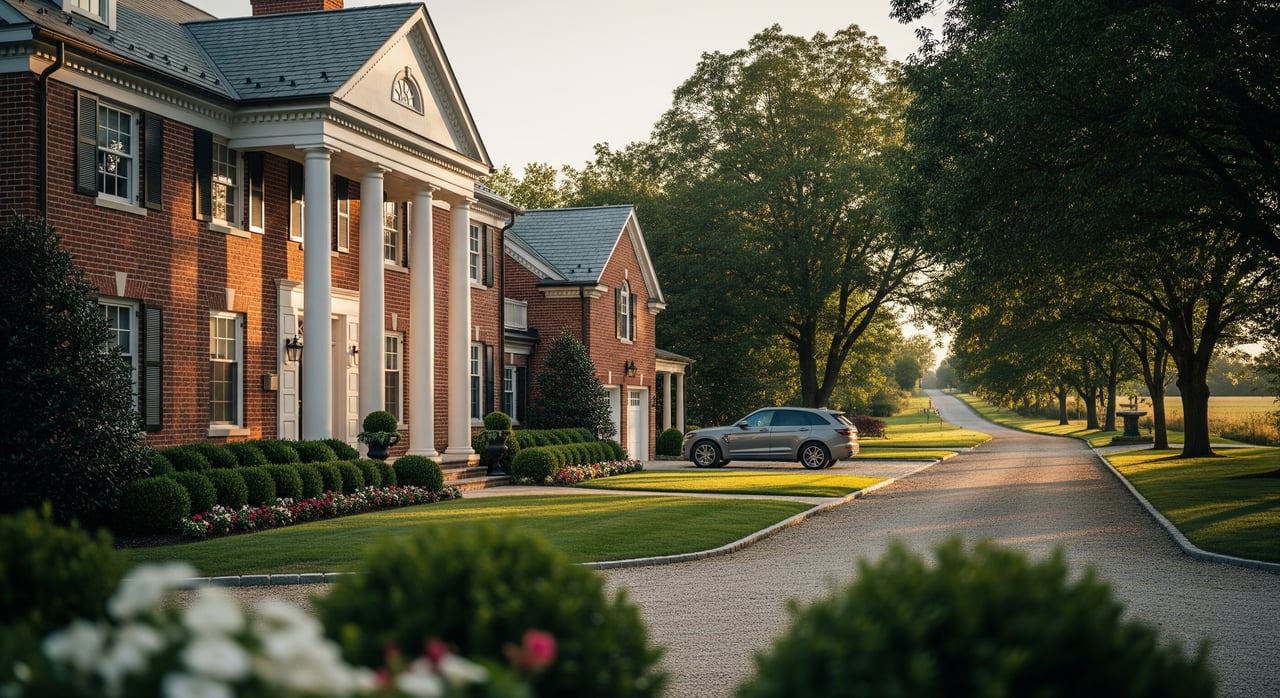
Thinking about trading your in-city DC lifestyle for more space in the suburbs, but worried about the daily commute? You are not alone. Many DC professionals look to Upper Marlboro for newer homes, extra square footage, and easy access to parks while staying connected to downtown. In this guide, you’ll see how everyday life actually works here, from commute options and neighborhood styles to errands, parks, and practical trade-offs. Let’s dive in.
What “Upper Marlboro” Means Locally
Upper Marlboro can mean a few different places. There is the small, historic Town of Upper Marlboro with the county courthouse and a walkable main street. There is also the broader unincorporated area around the town that most people refer to as “Upper Marlboro,” which includes many suburban subdivisions. Nearby communities in Prince George’s County like Largo and Bowie also shape day-to-day life.
This article focuses on the wider Upper Marlboro area that most commuters consider when they look for homes. You will also find notes about the historic town center where relevant so you can compare what daily errands and routines feel like in each area.
Housing and Neighborhoods
Historic downtown homes
If you love a small-town feel, the historic town center offers older cottages, small-lot single-family homes, and some converted structures. You will see fewer multifamily buildings than in DC, so rental choices may be more limited. Daily walks to a coffee shop or the courthouse area are part of the charm. For larger shopping trips, you will likely drive to nearby retail hubs.
Suburban subdivisions and townhomes
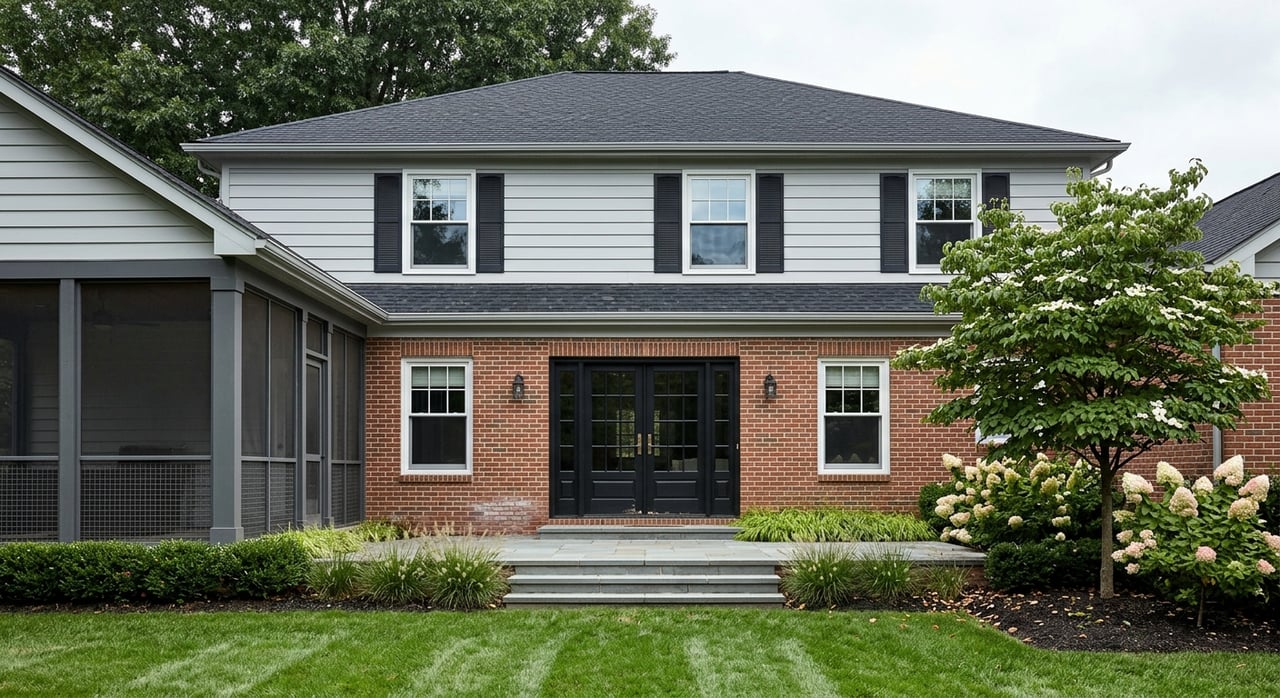
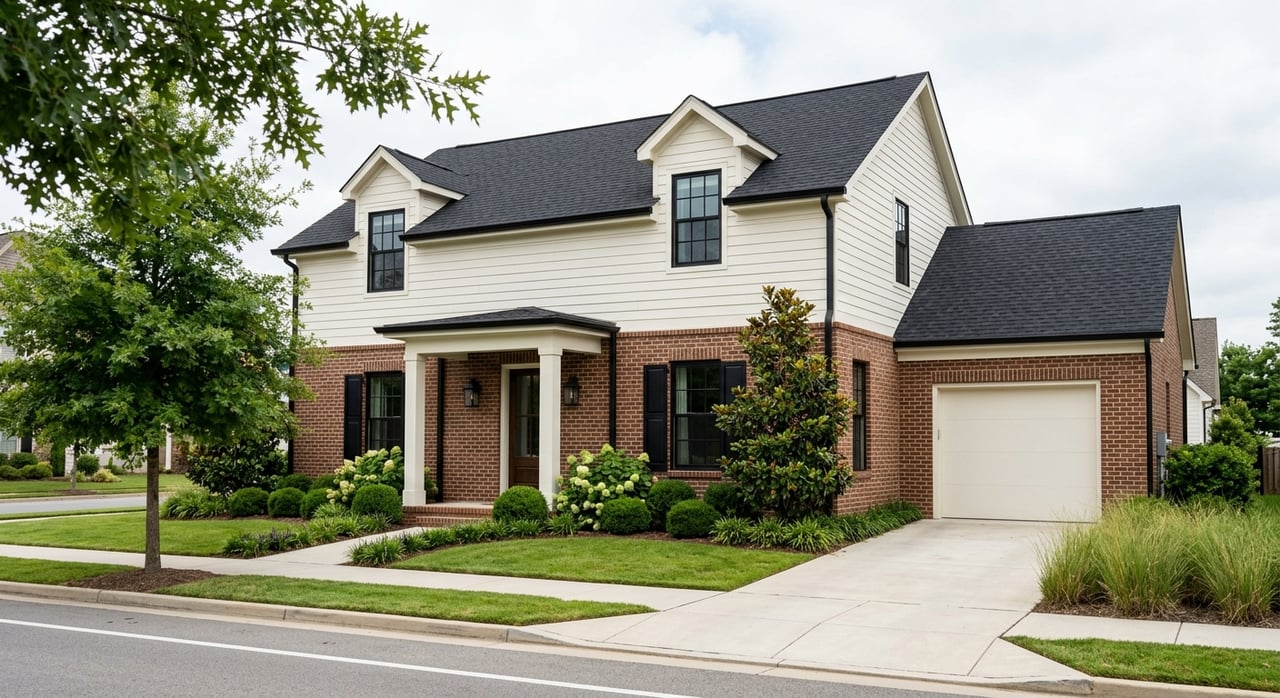
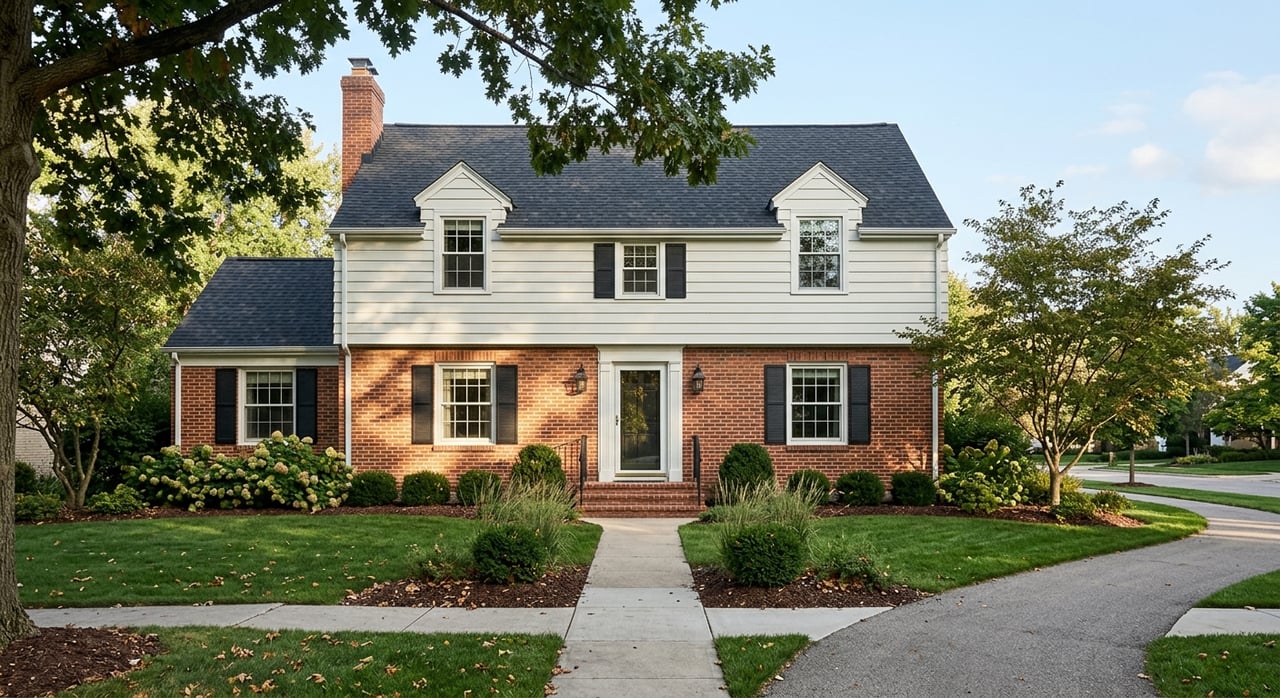
Most Upper Marlboro-area neighborhoods are suburban, car-oriented communities built from the 1990s onward. You will find many single-family homes with driveways and yards, plus townhouse communities that keep maintenance lighter. Newer developments often include community features like walking trails, pocket parks, tot lots, and sometimes a neighborhood pool.
HOAs: what to expect
Many newer subdivisions have homeowners’ associations. Typical features include maintained common areas, landscaping, playgrounds, and pools. HOAs also set rules on exterior appearances and may charge monthly or annual dues. Fees and rules vary widely, so plan to review HOA documents before you write an offer and budget for dues along with your mortgage, taxes, insurance, and utilities.
Your DC Commute: Realistic Options
Driving basics and time ranges
If you drive to DC, common routes include MD-4 toward the city, US-301 north to the Beltway, and I-495/95 depending on your destination. Off-peak, many commutes to central DC from Upper Marlboro-area neighborhoods fall in the 25 to 40 minute range. During rush hours, 45 to 75 minutes or more is common, depending on your exact start point, destination, and traffic conditions.
To reduce stress, some commuters leave earlier, use HOV options where available, or combine driving with rail.
Drive-to-Metro: Blue and Silver Line access
You will not find a Metrorail station inside the historic town center. The closest stations are in nearby Largo: Largo Town Center and Morgan Boulevard. Many Upper Marlboro residents drive 10 to 20 minutes to these stations, then take rail into downtown.
- Largo Town Center offers a direct rail path into central DC. Check platforms and times on the Largo Town Center station page.
- Morgan Boulevard provides a similar option a few minutes away. See the Morgan Boulevard station page.
Rail travel into central DC typically runs about 20 to 35 minutes depending on your stop. Always verify current timetables with WMATA schedules and trip planning.
Bus, shuttles, and park-and-ride
Local and regional buses connect neighborhoods to Metrorail and employment centers. Prince George’s County operates local routes often branded as “TheBus,” and WMATA also serves the area. For regional options or express routes, consult MDOT MTA and WMATA bus maps. Many residents use park-and-ride lots near Largo to drive locally and then switch to rail.
Everyday Errands and Fun
Parks and outdoor recreation
Watkins Regional Park is a standout local amenity with playgrounds, a miniature train, a carousel, sports fields, trails, and picnic areas. It is operated by the Maryland-National Capital Park and Planning Commission. Explore park programs and facilities through Prince George’s County Parks. You will also find smaller community parks, walking trails, and open spaces inside many subdivisions.
On weekends, you can explore more of Prince George’s County or head to larger regional destinations like National Harbor or the Patuxent River areas. Trails and outdoor features vary by neighborhood, so preview nearby parks as part of your search.
Downtown services and local hubs
The Town of Upper Marlboro serves as the county seat and has a small cluster of restaurants, service businesses, and civic buildings around the courthouse. For bigger grocery runs, national retailers, and more dining, many residents drive to nearby shopping areas in Largo, Bowie, or National Harbor. For county services and event updates, visit the Prince George’s County government site and the Town of Upper Marlboro’s official site.
Cost and Time Trade-offs
Choosing Upper Marlboro often means more living space, larger yards, and access to newer homes when compared with many DC neighborhoods. In return, you will rely more on a car for errands and commuting. Rush-hour drive times are longer than in-city commutes, and you will likely plan across multiple modes if you use rail.
Budget-wise, include mortgage, property taxes, insurance, utilities, and HOA fees if they apply. If you plan to drive to a Metrorail station, factor in parking and any rail passes. For context on how people commute and average travel times in the region, review American Community Survey data from the U.S. Census Bureau’s ACS.
Who Upper Marlboro Fits
Upper Marlboro can be a strong fit if you want more space and value newer construction or planned communities with amenities like trails and playgrounds. It suits commuters who are comfortable with a car-oriented lifestyle or who like the flexibility of driving to Metrorail. If you prefer a walk-to-everything daily routine or frequent late-night dining without a drive, an inner-DC neighborhood may better match your routine.
Sample Commute Scenarios
- Drive-to-Metro combo: You leave at 7:15 a.m., drive 12 minutes to Largo Town Center, park, and catch a train. Rail time to central DC runs about 25 to 35 minutes depending on your stop. Door to door, you are usually in the 45 to 60 minute window. On the way home, you plan your train to avoid peak bottlenecks.
- Direct drive to downtown: You leave at 6:45 a.m., take MD-4 or US-301 to the Beltway and head into the city. On a good day you make it in 35 to 45 minutes. On a heavy-traffic day, it can stretch to 60 minutes or more. You adjust departure times and use traffic apps to smooth the ride.
- Express bus day: You drive to a park-and-ride and take a regional bus into DC. Your total time is similar to rail on some routes, and you can answer emails instead of driving. Check MDOT MTA and WMATA for current options.
How a Local Agent Helps You Decide
A local, multi-jurisdiction agent can save you time by narrowing neighborhoods that match your commute tolerance and daily routine. You can preview HOA rules, compare similar subdivisions, and understand what fees cover. You can also test-drive your commute at different times of day, confirm station parking options, and map out nearby parks and services.
When you are ready, you will want clear comps, HOA documents, and a plan for offer terms that fit the local pace. That is what you should expect from a trusted advocate who knows the area.
Ready to explore homes that match your commute and lifestyle in Upper Marlboro? Reach out to Sharron Owens for local guidance across DC, Maryland, and Virginia.
FAQs
How long is the commute from Upper Marlboro to downtown DC?
- Off-peak drives can be 25 to 40 minutes, while peak-hour drives often run 45 to 75 minutes or more depending on route and traffic.
Is there a Metro station in Upper Marlboro?
- No. The closest stations are in Largo, including Largo Town Center and Morgan Boulevard, both a short drive from many Upper Marlboro neighborhoods.
What are typical HOA features in Upper Marlboro subdivisions?
- Many HOAs maintain common areas and offer amenities like playgrounds, trails, and sometimes pools, with dues and rules that vary by community.
Where do residents shop and dine near Upper Marlboro?
- Day-to-day needs are met by local shops, with larger retail and dining options in nearby Largo, Bowie, and National Harbor.
What parks and recreation options are nearby?
- Watkins Regional Park and county-operated green spaces offer playgrounds, sports fields, trails, and picnic areas through the Prince George’s County Parks system.
Which buses serve Upper Marlboro commuters?
- Local county routes branded as TheBus connect neighborhoods to hubs, and WMATA and MDOT MTA provide regional options; check agency timetables for current schedules.