Thinking about selling your Annapolis home this year? You don’t need a full remodel to stand out. Most buyers here respond to clean, neutral spaces, bright lighting, tidy yards, and well‑maintained systems. A focused plan can help you spend less and net more.
In this guide, you’ll learn which updates deliver the best return in Annapolis and Anne Arundel County, when to schedule projects, and how to handle waterfront details. You’ll also get a simple timeline and checklist you can use right away. Let’s dive in.
What Annapolis buyers want
Annapolis draws a mix of buyers: professionals commuting to Baltimore and Washington, families connected to the U.S. Naval Academy, and those seeking waterfront access. Across these groups, a few things consistently matter:
- Fresh, neutral interiors that feel bright and move‑in ready.
- Curb appeal that fits local character, including historic styles.
- Kitchens and baths that look updated without being overly customized.
- Good lighting, easy‑care yards, and, for waterfront properties, usable access and tidy shorelines.
If your home is older, addressing deferred maintenance can protect your price. Small, smart cosmetic updates paired with proof of mechanical care go a long way.
Best ROI updates to tackle first
Prioritize low‑cost, high‑visibility upgrades before larger projects. A clean presentation usually beats a costly, late‑stage remodel.
- Paint
- Curb appeal
- Lighting and electrical staging
- Minor kitchen refreshes
- Minor bathroom refreshes
- Small repairs, declutter, and staging
- Energy and mechanical quick wins
Fresh paint, big payoff
A fresh coat of paint is one of the highest ROI projects because it transforms photos and first impressions. Inside, choose soft warm whites or light grays to keep rooms bright and flexible. Focus on main living areas, the kitchen, the primary bedroom, and baths.
For exterior touchups, power‑wash first, then hit siding, shutters, trim, and the front door. In coastal humidity, pick mildew‑resistant primers and paints. If your home is in a historic district, check local guidelines before changing exterior colors.
Boost curb appeal fast
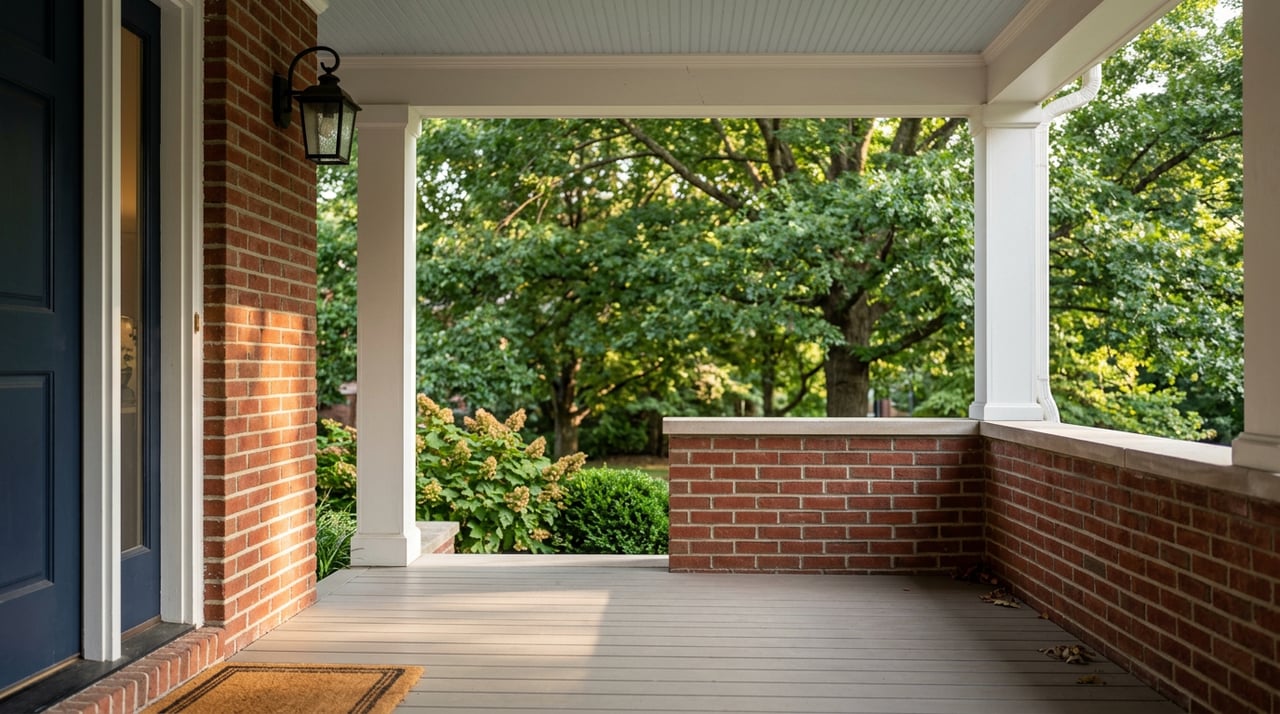
First impressions shape buyer confidence, especially in historic and waterfront neighborhoods. You can create a welcoming entry with a few simple moves.
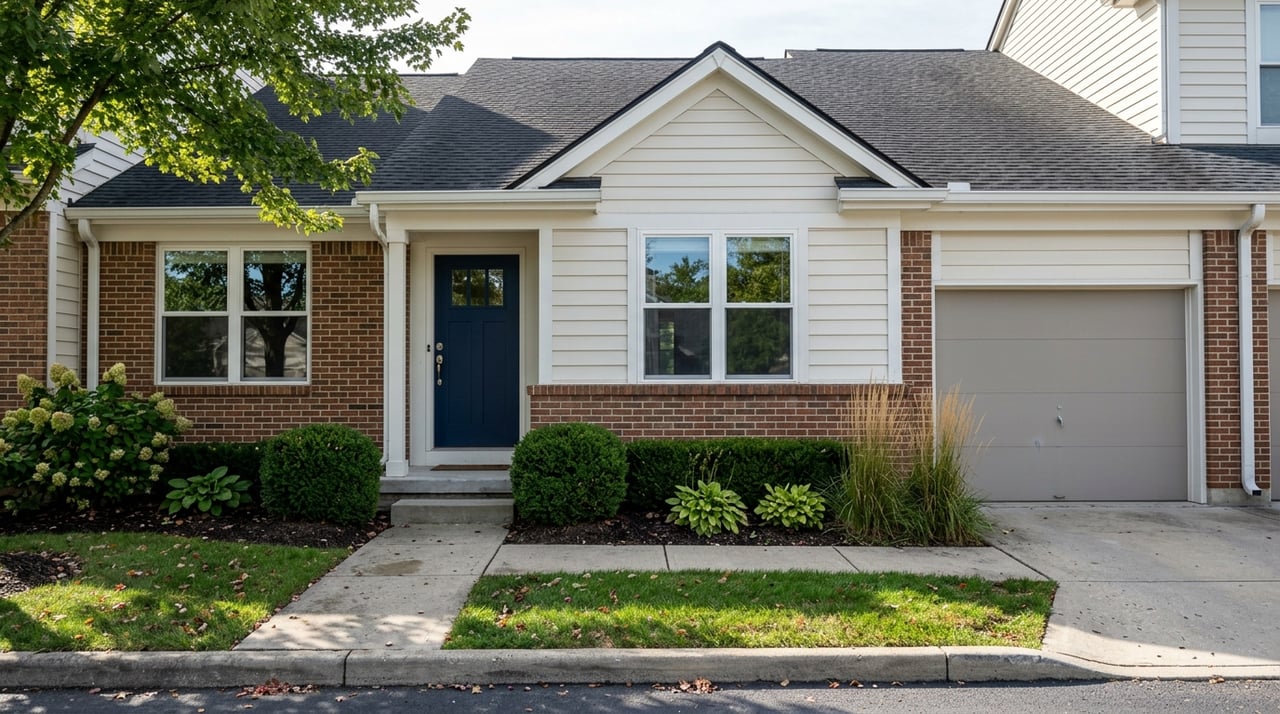
- Entry updates: Refinish or repaint the front door in a tasteful accent, replace worn hardware and house numbers, and update porch lighting.
- Landscaping: Prune, edge, mulch, and add a few native, low‑maintenance plants. Refresh thin grass with seed or sod, or consider simple hardscaping where grass struggles.
- Hard surfaces: Power‑wash driveways and walks, repair cracked steps, and paint or tighten porch railings.
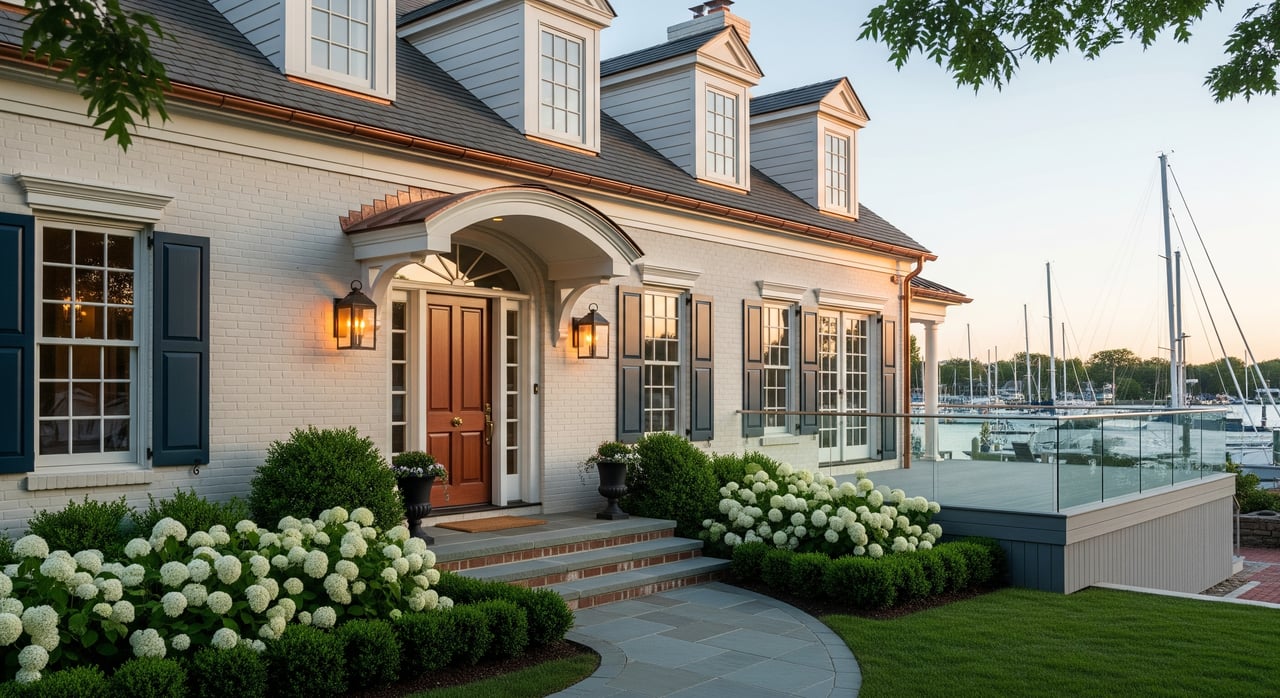
- Waterfront edge: If applicable, tidy the dock and shoreline, remove debris, and keep sightlines to the water open.
Local tip: Use salt‑tolerant, bay‑friendly plantings to reduce upkeep and appeal to buyers who know coastal conditions.
Brighten with lighting
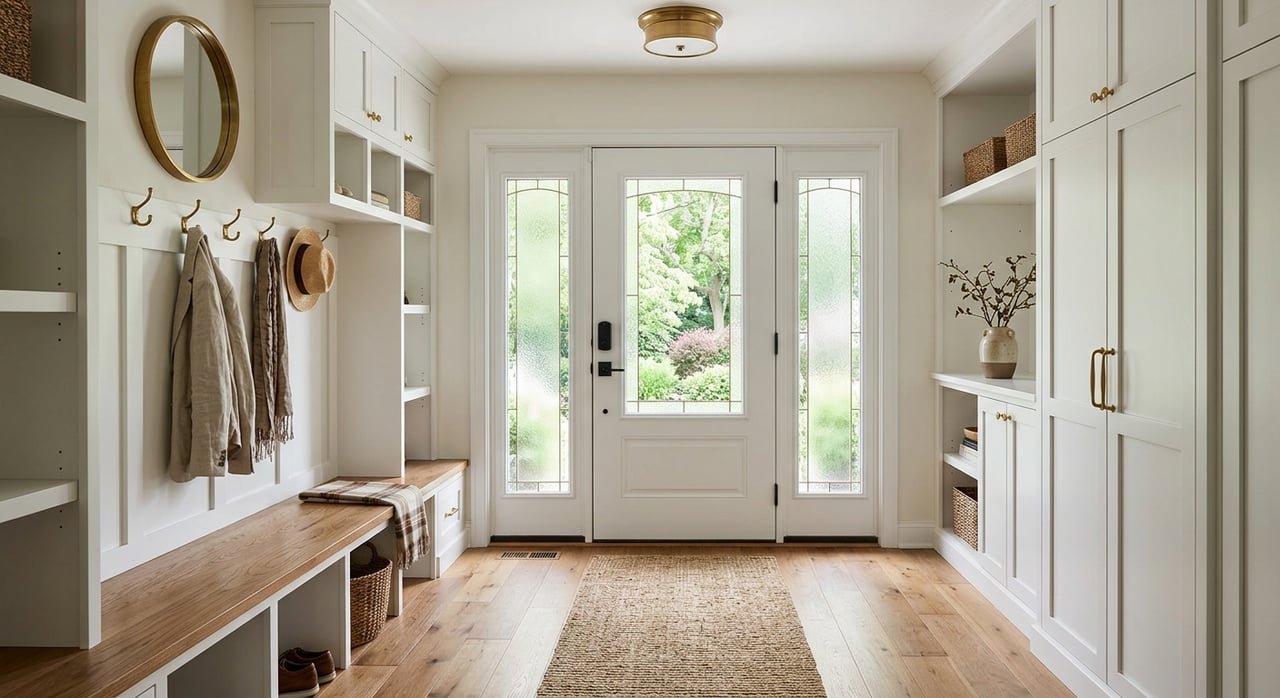
Good lighting makes rooms feel larger and cleaner in person and in photos. Swap dated fixtures in entryways, kitchens, dining rooms, and primary baths for simple, contemporary styles. Install higher‑lumens LED bulbs to brighten spaces and signal energy awareness.
Do not forget exterior fixtures. A well‑lit porch and walkway improves safety and showcases your home at twilight showings. For coastal homes, choose fixtures rated for humid, salty environments.
Kitchen refreshes that work
In Annapolis, buyers appreciate kitchens that feel updated without pushing into high‑end, highly personal finishes. Focus on cosmetic upgrades and function.
- Cabinets: Paint or refinish and add new hardware.
- Surfaces: Resurface worn countertops or install a neutral backsplash.
- Appliances: Replace mismatched or dated units with clean, mid‑range options.
- Function: Align cabinet doors, fix drawers, stop leaks, and improve task lighting.
Keep finishes classic to suit coastal, historic, and transitional tastes.
Bathroom touchups that matter
Buyers look closely at bathrooms. Small changes can make them feel fresh and cared for.
- Re‑grout and re‑caulk tile; address any mildew.
- Update vanities or paint existing ones and add new faucets and mirrors.
- Replace dated lighting and consider a new, efficient toilet if yours is old.
- Deep clean or replace worn flooring.
Good ventilation helps avoid moisture issues common in coastal climates.
Small repairs, declutter, and staging
Knock out minor fixes before photos and showings. Patch holes, quiet squeaky doors, tighten loose rails, and replace burned‑out bulbs. Then declutter: remove extra furniture, clear counters, and simplify decor.
If the home is vacant, consider professional or virtual staging. Hire a photographer experienced with coastal and historic homes to capture the charm and natural light.
Energy and mechanical quick wins
Buyers feel more confident when they see a well‑maintained home. A few small steps can reduce inspection objections.
- Service the HVAC and replace filters; keep receipts.
- Install a programmable or smart thermostat.
- Seal visible air leaks around windows and doors.
Simple documentation of recent maintenance can support your price.
Waterfront sellers: special tips
Waterfront properties carry unique expectations. Buyers form quick opinions based on what they see along the shoreline and dock.
- Visual condition: Power‑wash the dock and replace visibly worn boards in high‑traffic spots. Add non‑slip treatments where needed and organize mooring lines and storage.
- Landscaping and buffers: Use native, erosion‑control plantings that look neat and signal environmental care.
- Documentation: If you suspect issues with a bulkhead or pilings, consider a professional inspection. A short report confirming no imminent hazards can calm concerns. Be ready to share flood insurance history, elevation certificates if available, and records of any shoreline work.
- Permits: Shoreline projects usually require permits from local and state agencies. Confirm requirements before starting repairs. Unpermitted work can complicate a sale.
If visible deterioration exists, you can either address it before listing or obtain estimates and disclose fully so buyers can factor costs appropriately.
When to schedule updates
Exterior work and landscaping show best in late spring to early summer, which aligns with peak listing season in the mid‑Atlantic. Try to complete outdoor projects by late April or May. Interior painting, lighting upgrades, cabinet refinishing, and staging can be done year‑round, but finish at least a week before photography.
For shoreline or major exterior projects that need approvals, start months ahead. Permit offices are often slower during busy seasons.
A simple pre‑listing timeline
- 6–12 weeks out: Gather contractor quotes and start any needed permit applications for exterior or shoreline work.
- 4–6 weeks out: Begin exterior repairs, landscaping, and any permitted dock or bulkhead work.
- 2–3 weeks out: Complete interior painting, cabinet refreshes, lighting swaps, and minor bath updates.
- 1 week out: Deep clean, declutter, stage, and schedule professional photography. Assemble your disclosure and maintenance packet.
- Listing day: Highlight updated spaces, curb appeal, and, if applicable, water views.
Cost tiers to guide your budget
These rough tiers can help you prioritize. Actual costs vary by home size, contractor rates, and site conditions.
- Low cost (under ~$1,000): Deep clean, declutter, touch‑up paint, hardware swaps, light bulbs, and basic landscaping.
- Medium cost (~$1,000–$10,000): Professional interior paint for several rooms, cabinet refinishing, modest landscaping, and fixture replacements.
- Higher cost (over ~$10,000): Large exterior projects, new decks, major kitchen or bath remodels, and structural shoreline repairs.
Start with low and medium items that photograph well and reduce buyer objections. Then decide whether any higher‑cost projects make sense for your timeline and neighborhood.
How to choose contractors and prepare documents
For exterior and shoreline work, use licensed, insured pros with coastal experience. Get written quotes, timelines, and clarity on who will handle permit applications. Keep receipts and warranties to include in your seller packet.
Prepare a simple packet for buyers:
- Recent inspection reports and receipts for mechanical service.
- Receipts or warranties for recent repairs.
- Permits or documentation for shoreline or structural work.
- Flood insurance information and any elevation certificate.
- Completed seller disclosure and a brief history of known issues.
Your next step
If you want a clear, personalized plan for your Annapolis home, schedule a pre‑listing walkthrough. We’ll prioritize updates, map the timing, and prepare your document packet so you can hit the market with confidence. Connect with Sharron Owens to get your custom action plan.
FAQs
What are the best pre‑listing updates for an Annapolis home?
- Start with paint, curb appeal, lighting, minor kitchen and bath refreshes, small repairs, staging, and basic mechanical service to maximize impact at a manageable cost.
Will painting before selling really pay off in Anne Arundel?
- Fresh, neutral paint improves photos and first impressions, which can shorten days on market and help you avoid price cuts, delivering strong perceived value for a low cost.
Should I fully remodel my kitchen before listing in Annapolis?
- In most cases, a modest refresh—cabinet paint, new hardware, simple backsplash, and mid‑range appliances—recoups more per dollar than a high‑end, customized remodel.
How far in advance should I plan pre‑listing improvements?
- Begin 6–12 weeks before your target list date, finishing interior touchups at least a week before photos; start earlier if permits or shoreline work are involved.
Do I need to fix a failing bulkhead or dock before selling a waterfront home?
- If deterioration is visible, buyers will price in repairs; consider an inspection and either repair or disclose fully with estimates to keep negotiations smooth.
What documents should I prepare for buyers in Annapolis?
- Provide maintenance receipts, inspection reports, permits for any work, flood insurance info and any elevation certificate, plus a complete seller disclosure.