Rushing to catch the Metro or circling for parking can make or break your day. If you are choosing between a condo and a townhouse in Arlington, the right fit often comes down to how you commute, how much maintenance you want, and what you are willing to spend each month. This guide lays out the practical tradeoffs so you can feel confident about your choice. Let’s dive in.
Commute basics in Arlington
Arlington is one of the Washington region’s most transit‑oriented areas. Many homes sit near high‑frequency transit corridors that connect you quickly to Downtown DC, the Pentagon, Rosslyn, and Crystal City. You can review the system layout using the official WMATA Metrorail maps.
Beyond rail, local buses and bikeshare round out your options. The county’s Arlington Transit (ART) routes help with first and last mile connections, and the county’s bike network resources support safe cycling to stations and job hubs. If you prefer to drive, expect residential permit zones in many neighborhoods; details are on Arlington’s Residential Permit Parking program page.
Service can vary over the year. Keep an eye on WMATA service advisories so you can plan around maintenance or occasional delays.
Condo vs. townhouse: commute convenience
Metro proximity
- Condos cluster near Metrorail stations and commercial nodes, which makes true walk-to-transit living easier to find.
- Townhouses can still be walkable, but many sit a bit farther from stations on residential streets. If you want a short walk to the platform, condos offer more options.
Parking realities
- Condo parking depends on the building. Some include a deeded or assigned garage space, while others rely on unassigned or paid parking. Second cars and guests can be tough.
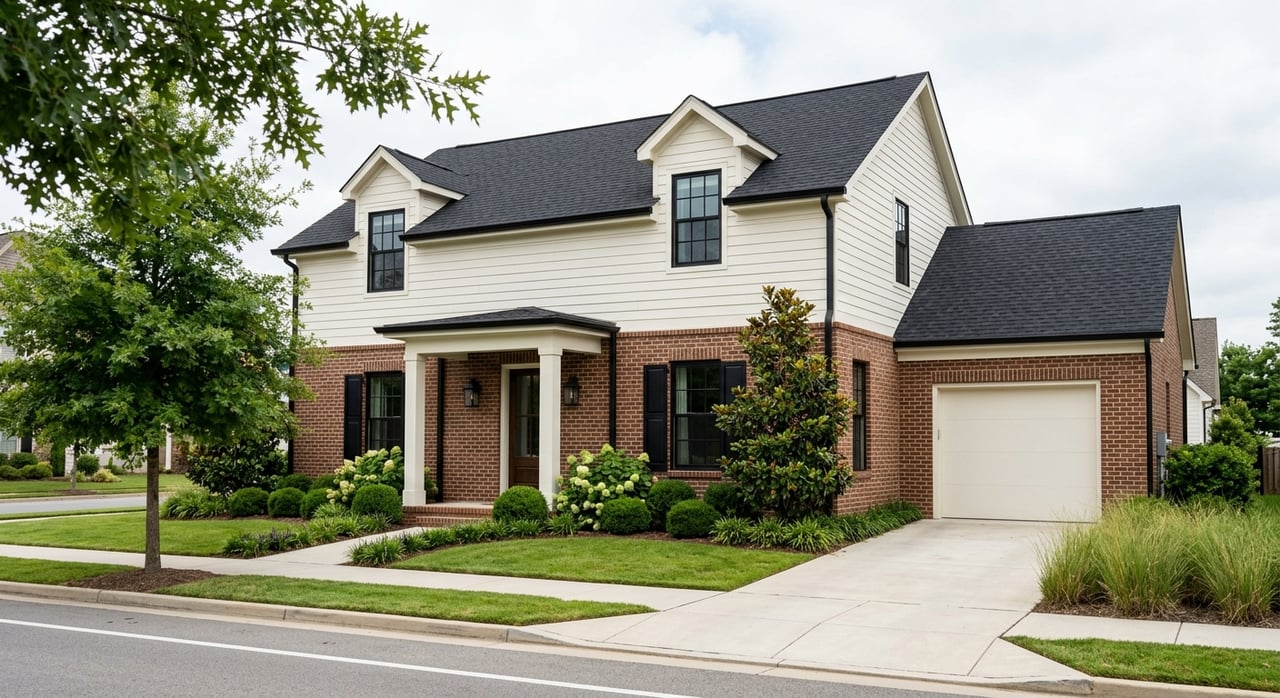
- Townhouses more often include a private garage or driveway and easier on‑street parking. If you need to drive daily or carpool, this can lower stress.
Monthly costs and maintenance
HOA dues and assessments
- Condo HOA dues typically cover exterior maintenance, building systems, common utilities like heat or hot water in some buildings, and amenities such as a gym or pool. Dues vary by building and amenity level. Budgets can change, and special assessments are possible. Always review reserve studies and assessment history.
- Townhouse HOAs, where they exist, tend to be smaller or lower cost. Some communities cover exterior elements, but many owners handle their own repairs. Compare monthly dues to likely private maintenance costs.
Time and upkeep
- Condos keep your personal maintenance workload low. Most exterior, landscaping, and snow removal tasks are handled for you.
- Townhouses require more hands‑on care. Roofs, siding, gutters, driveways, and small yards are usually your responsibility. That adds time and occasional larger expenses.
Insurance and financing
- Condo owners usually carry an HO‑6 policy for interiors and personal property because the building is insured by the association. Premiums can be lower than a full exterior policy.
- Townhouse owners typically carry an HO‑3 policy that covers the exterior and roof. Costs depend on size and replacement value.
- Lenders review condo projects carefully. If you plan to use FHA or VA financing, verify the building’s status early using the HUD FHA condo approval lookup. Townhouses are usually underwritten like single‑family homes.
Space and lifestyle tradeoffs
Layouts and work‑from‑home needs
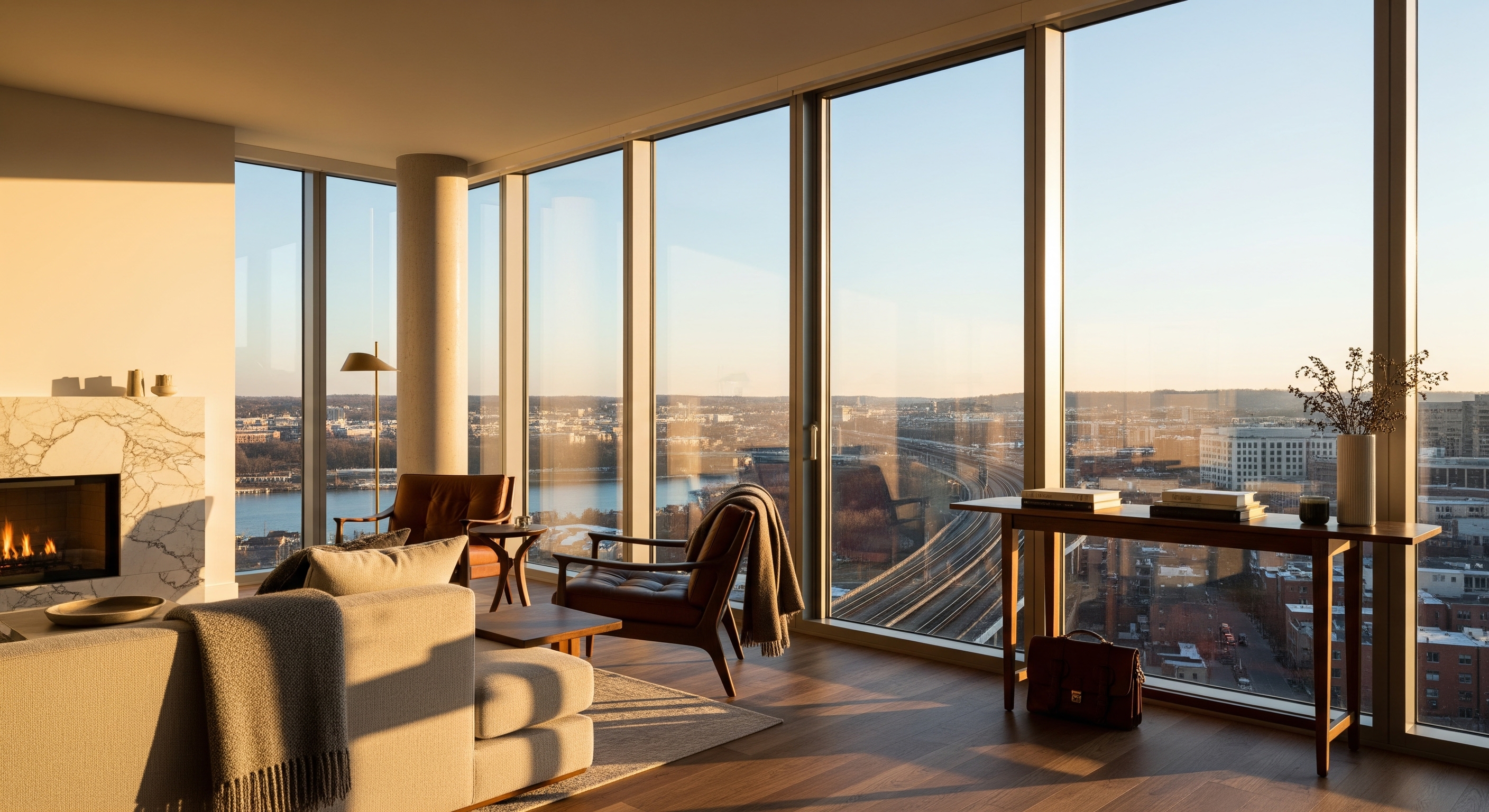
- Condos offer simpler, often smaller layouts on one or two levels with limited storage. Building amenities can replace some private space.
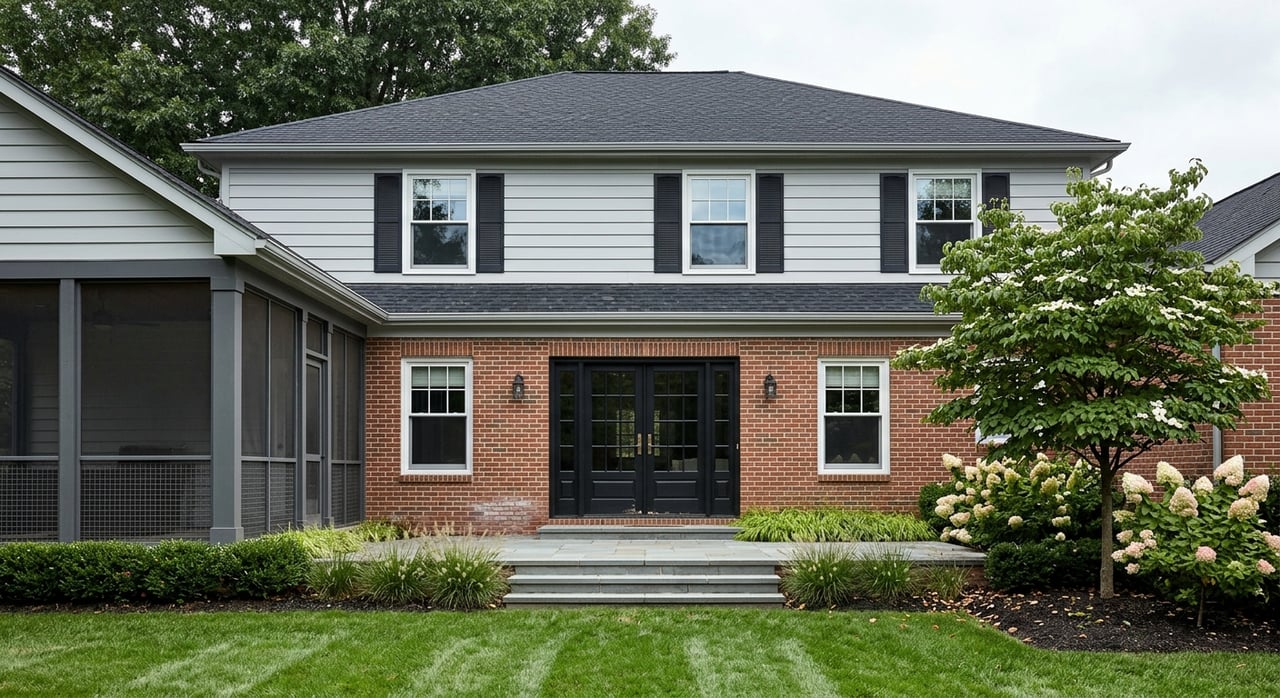
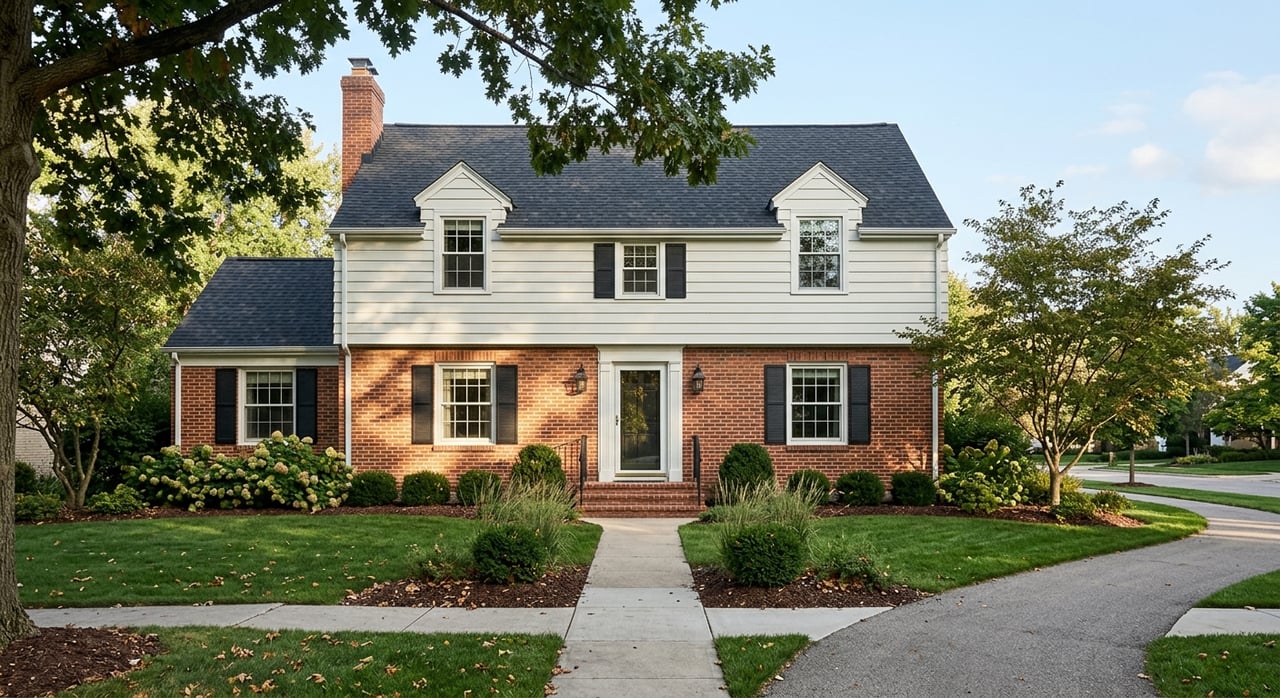
- Townhouses deliver more square footage, multiple levels, and flexible rooms for a home office or guests. If you split your week between the office and home, the extra space may be worth it.
Outdoor space and storage
- Condos usually provide a balcony or small terrace, plus shared outdoor areas.
- Townhouses offer private outdoor space and more storage for bikes, strollers, or sports gear, which can help if you commute by bike or keep work equipment in your car.
Market dynamics to watch
Prices, supply, and speed
Market conditions shift month to month. To understand current prices, days on market, and inventory by property type, check the latest NVAR market statistics. In many cycles, condos near Metro attract steady demand from commuters and investors, while townhouses can appeal to buyers needing more space and parking. Days on market may vary by neighborhood and season.
Transit‑adjacent turnover
Condos close to stations in walkable corridors often move quickly when the market is competitive. Townhouses on quieter blocks may take longer if they target a narrower pool of buyers. New construction near stations can shift supply and pricing for older condos.
Rental demand and investor influence
Condos near Metro tend to see strong renter interest from transferees and commuters, which can create investor activity. That sometimes affects financing if investor occupancy is high. Townhouses often draw longer‑term renters.
The 10‑minute commute test
Before you fall in love with a floor plan, test the commute.
- Map your door‑to‑desk route on a weekday during your typical start time. Use station maps and trip planners from WMATA to compare options.
- Walk the route to the nearest station at normal pace and note signals, crossings, and any hills or stairs.
- If you plan to drive, verify permit rules, on‑street availability, and any monthly garage options at your workplace.
- If you bike, check rack or storage access at the building and study the county’s bike network resources for your path.
- Check WMATA service advisories to see if your line has planned work that could affect your schedule.
Property tour checklists
For condos
- Parking: Is the space deeded or assigned? Is there a separate monthly parking fee? What are guest parking rules?
- HOA stability: What does the fee cover? Review the budget, reserves, recent assessments, and upcoming capital projects.
- Financing: Is the building FHA or VA approved? What is the owner‑occupant versus investor ratio?
- Lifestyle rules: Pet policies, subletting rules, and any limitations that could affect future rentability.
For townhouses
- Maintenance: Who is responsible for roof, siding, gutters, and driveways? You or the HOA?
- HOA coverage: If there is an HOA, what does it cover and at what cost?
- Parking specifics: Garage size, driveway length, and whether street parking requires permits. Clarify snow removal responsibilities.
- Property factors: Stormwater, easements, or restrictions that might impact parking, storage, or adding EV charging.
Commute‑focused evaluation
- Distance: Measured walk time to the nearest station and ART or bus stops.
- Travel time: Typical door‑to‑desk time during peak hours for both transit and driving.
- Parking costs: Availability and cost for station or workplace parking if you drive.
- Charging: EV charging in the garage or on the property if needed.
- Evening routine: Lighting and visibility along your walking route.
Financial checks
- Preapproval: Get financing preapproval early, especially if a condo project needs extra documentation.
- Cost comparison: Weigh condo HOA dues against expected townhouse maintenance costs like roof and landscaping.
- Insurance: Compare HO‑6 versus HO‑3 quotes for annual premiums.
Who should choose what?
Condos fit if you
- Want a short, reliable Metro commute and minimal home upkeep.
- Prefer a walkable lifestyle close to restaurants, services, and amenities.
- Are comfortable trading space for location and predictable HOA coverage.
Townhouses fit if you
- Need guaranteed parking and more interior space for family or a home office.
- Expect to drive part or all of your commute.
- Prefer private outdoor space and storage, and you are ready for more maintenance responsibility.
Hybrid options
- If you mostly use transit but keep a car for weekends, look for a condo with deeded parking or straightforward pay‑to‑park options.
- If you split your commute between car and rail, a townhouse within a short drive to a station or with easy access to I‑66 or Route 50 can balance both.
Quick decision guide
Use this simple filter before you tour:
- Primary commute mode: If it is Metro most days, start with condos near stations. If it is driving most days, lean toward townhouses with private parking.
- Monthly cost comfort: Add HOA dues, likely assessments, insurance, and parking fees to your mortgage budget. Compare that to estimated townhouse maintenance costs over time.
- Space needs: If you need a dedicated office, extra bedrooms, or storage, a townhouse may fit better. If you value a low‑maintenance lifestyle and shared amenities, a condo may win.
- Resale outlook: Transit‑proximate condos often attract steady demand from commuters and renters. Townhouses can draw long‑term owners. Check recent trends with the latest NVAR market statistics.
Ready to see which homes actually fit your commute, budget, and lifestyle? Let’s tour a few options side by side and compare door‑to‑desk time, parking, and monthly costs. If you want a protective guide who knows the DMV and will keep your priorities front and center, reach out to Sharron Owens. We will map your commute and find the right match.
FAQs
How close to Metro is “close enough” for Arlington commuters?
- Aim for a comfortable walk you can do year‑round, then test door‑to‑desk time during peak hours using WMATA maps and tools. Add ART or bike connections if needed.
Are condo HOA dues worth it if I commute daily?
- They can be if dues cover services you would otherwise pay for, like exterior upkeep or utilities, and if the location saves time and transit costs. Review the budget and reserves for stability.
What should I check for FHA or VA loans on a condo?
- Confirm the building’s status on the HUD FHA condo approval lookup and ask your lender about project underwriting and owner‑occupancy ratios.
Will choosing a townhouse add to my commute time?
- Not always. Many townhouses sit within a reasonable walk or short bus ride to stations. If you plan to drive, the private parking can save time compared to searching for a spot.
How do I estimate parking costs in Arlington?
- Check your block’s rules through the county’s Residential Permit Parking program and verify monthly rates at your workplace or station garages. Factor in guest parking limits if you host often.