Curious why two homes in Bowie can feel completely different even when they share the same city name? That is because Bowie is not one uniform suburb. It is a city of long-established sections, historic areas, and newer planned communities, each with its own housing mix, layout, and day-to-day feel. If you are trying to figure out where detached homes, townhomes, condos, and newer mixed-use options show up in Bowie, this guide will help you sort through the big picture with confidence. Let’s dive in.
How Bowie Is Set Up
Bowie is best understood as a city made up of sections and planned areas rather than a single neighborhood pattern. The city describes Bowie as a place with single-family homes, townhomes, apartments, and senior living, and many city services are organized by neighborhood.
That structure matters when you start your home search. In practical terms, your experience can change a lot depending on which part of Bowie you choose, especially when it comes to home style, nearby retail, parks, and commuting options.
Bowie also offers a strong citywide amenity base. According to the city, Bowie has about 57,192 residents, covers roughly 20 square miles, and includes more than 1,373 acres of parks and preserved open space plus over 28 miles of paths and trails.
Established Bowie Sections
Many people picture Bowie through its established single-family sections. The city says modern Bowie was largely shaped by Levitt and Sons after the Belair Estate was purchased in 1957, with widespread construction taking place between 1957 and 1964.
These areas are still a major part of Bowie’s identity today. City planning materials specifically call for preserving the original Levitt sections and older neighborhoods, which tells you they remain important residential areas rather than just a piece of local history.
If you want a more established suburban setting, these sections are often where your search starts. They are the parts of Bowie most strongly associated with detached homes, longer-standing residential streets, and the classic mid-century Bowie look.
Home Styles In Older Sections
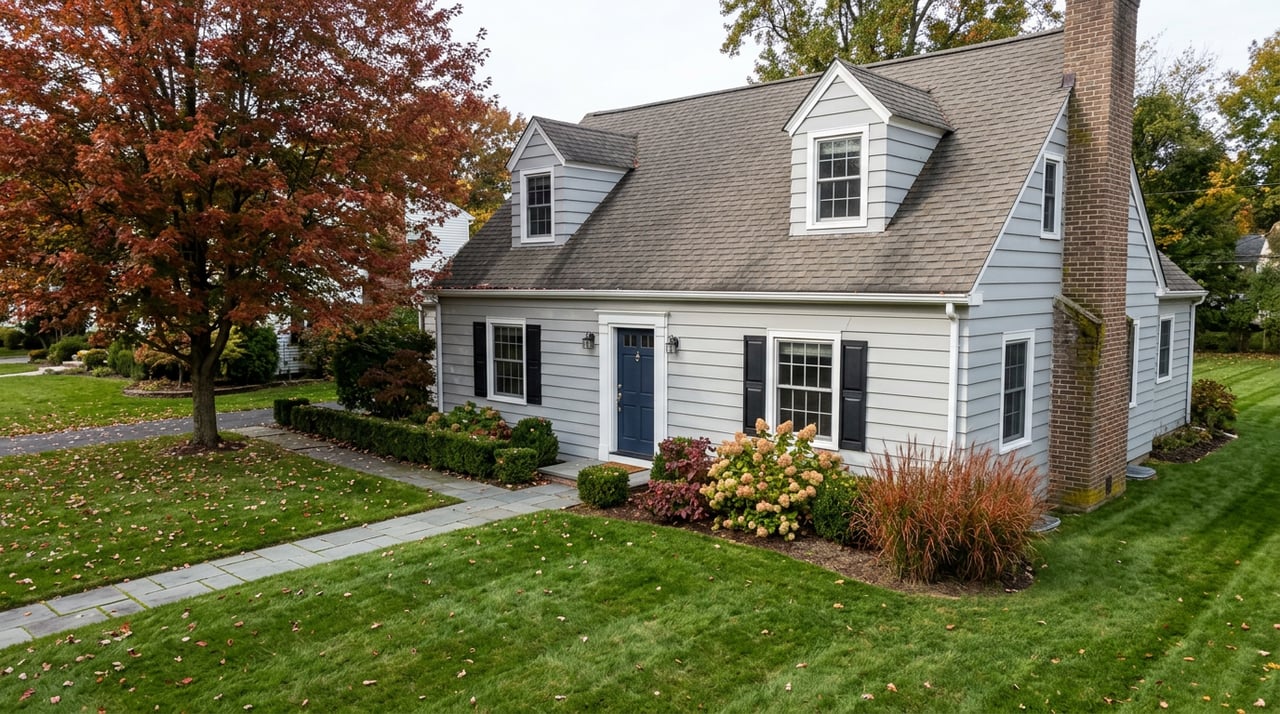
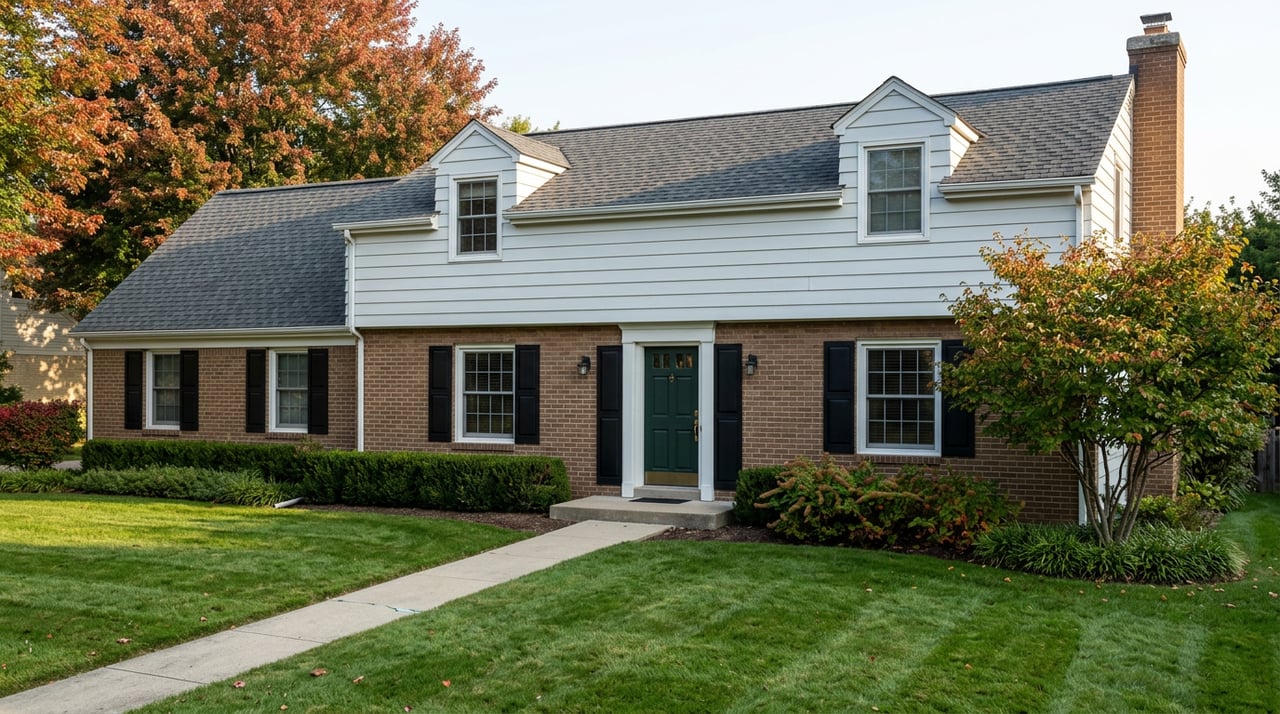
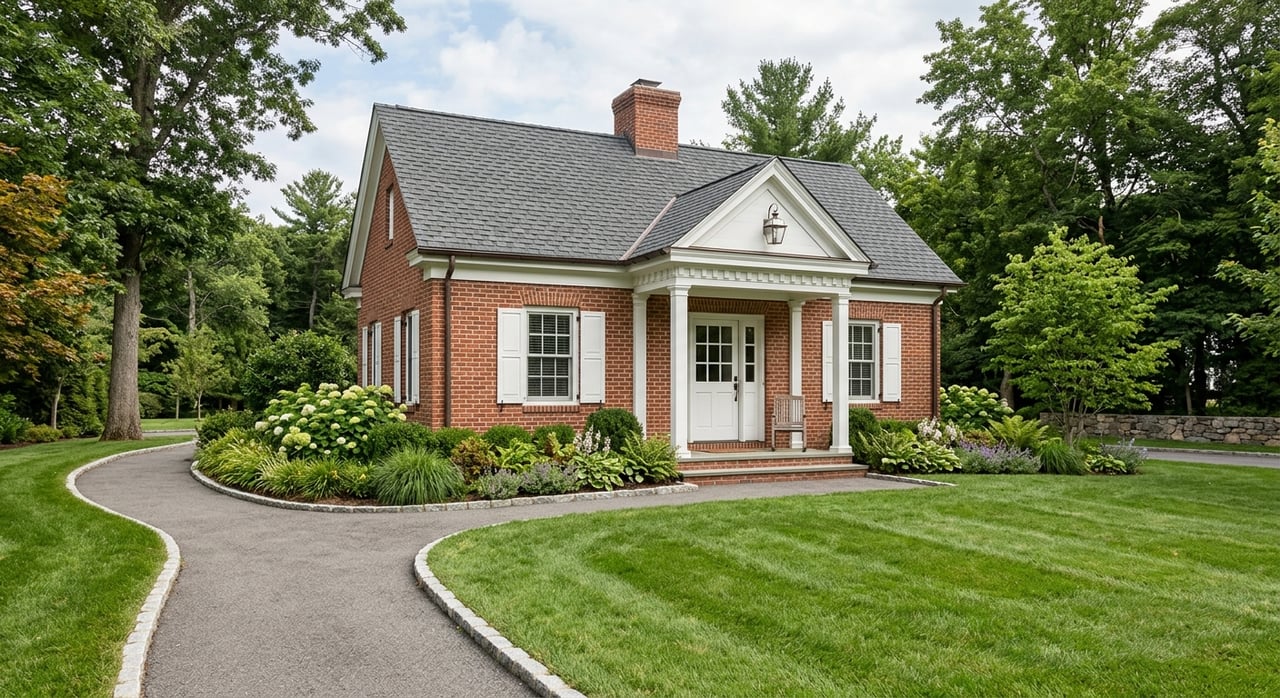
Older Bowie homes are not just generic suburban houses. The city’s history and local historic references point to recognizable Levitt-era models, including Cape Cod, rancher, 3-bedroom and 4-bedroom colonial, and country clubber designs.
That gives many older Bowie sections a clear architectural identity. You may notice low-profile ranch layouts, simple Cape Cod rooflines, and colonial-inspired homes that reflect the city’s large mid-century buildout.
For buyers, this can be a big plus if you like homes with character and a neighborhood pattern that feels established. For sellers, it is also a reminder that the story of the home and section can be part of what makes a property stand out.
What To Know About Upkeep
Character often comes with maintenance planning. The city specifically notes that Levitt homes and other older homes may have energy-efficiency issues and offers home energy audits and related guidance.
That does not mean these homes are a poor choice. It simply means you should go in with open eyes and plan for possible updates over time, especially if efficiency and lower utility costs are important to you.
Old Town Bowie
Old Town Bowie is the city’s historic core, and it has a different feel from the Levitt-era sections. The city describes it as the older railroad-era center, rooted in a close-knit local rail community.
This area is also closely tied to some of Bowie’s preserved historic sites, including the Bowie Railroad Museum and Belair Mansion. City revitalization plans continue to treat Old Town Bowie as a distinct area, which reinforces its role as Bowie’s main historic pocket.
If you are drawn to older architecture and a more traditional town-center setting, Old Town Bowie may appeal to you more than the mid-century suburban sections. It offers a different housing story and a different sense of place within the same city.
Newer Planned Communities In Bowie
Bowie’s newer growth looks different from its older sections. In recent planning areas, the housing mix expands beyond detached homes to include apartments, attached condos, townhouses, and mixed-use development.
For buyers who want newer construction or a more master-planned setting, these communities are worth a closer look. They can offer a broader range of housing types in one area, along with nearby commercial and community uses.
South Lake
South Lake is one of the clearest examples of newer planned Bowie. The city describes it as a 381-acre mixed-use property annexed in 2019 with 1,360 dwellings planned.
That planned housing mix includes apartments, two-family attached condominiums, townhouses, and single-family detached homes. The development also includes retail, office, and hotel uses, which makes it a strong example of Bowie’s more contemporary growth pattern.
If you want several housing options within one district, South Lake stands out. It is especially useful for buyers comparing attached and detached homes in a more recently planned environment.
Melford
Melford is another major planned Bowie area. The city identifies it as a 466-acre employment center and mixed-use community with approved townhouse and multifamily housing components alongside office, retail, assisted-living, and other uses.
That means Melford is not only about residential living. It reflects Bowie’s newer pattern of pairing housing with jobs, services, and commercial uses in the same broader area.
Where Townhomes And Condos Fit In
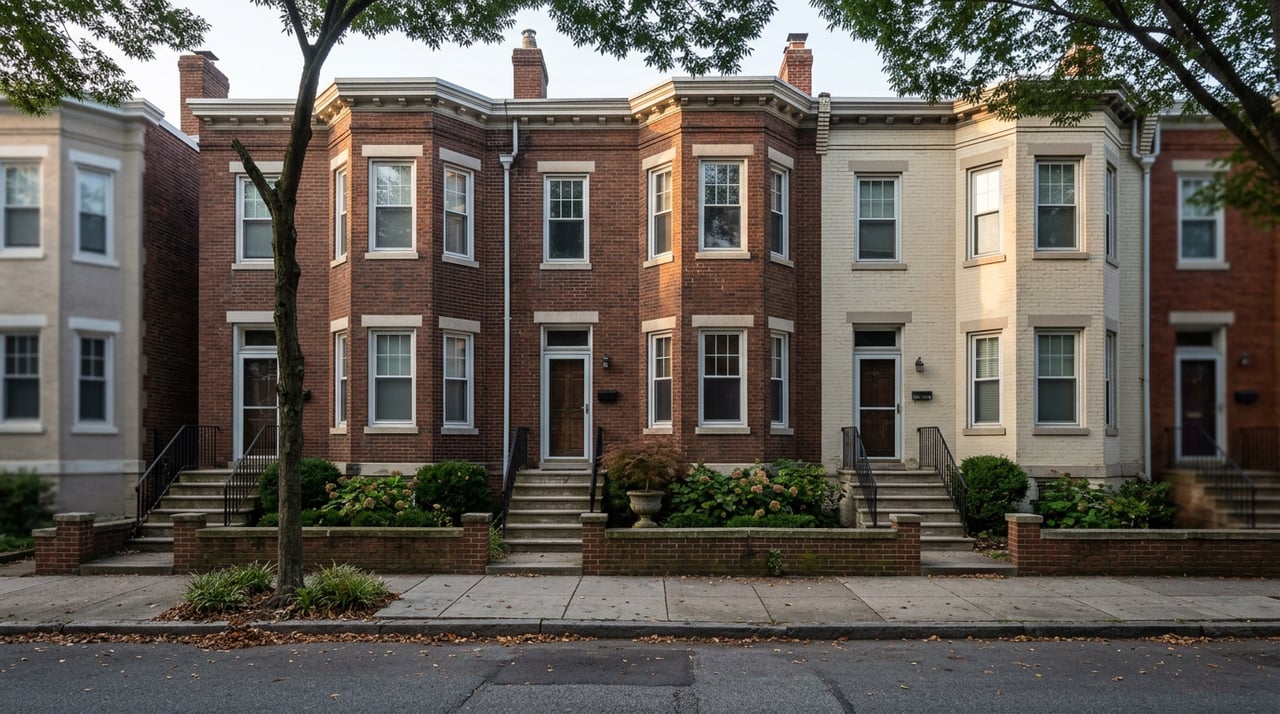
If you are wondering whether Bowie is mostly detached homes, the answer is no. Attached housing is a meaningful part of the city’s housing mix, not just a small side category.
City planning materials specifically call out townhouse communities near the Levitt model home area on Millstream Drive, Marquette Lane, and Scarlet Oak Terrace. On top of that, South Lake and Melford include substantial townhouse and multifamily components.
The practical takeaway is simple. If you want a townhome, condo, or apartment-style option in Bowie, you are not limited to one corner of the city.
Parks, Trails, And Community Amenities
One of Bowie’s biggest strengths is its recreation network. The city reports more than 1,373 acres of parks and preserved open space, over 28 miles of paths and trails, and 97 ballfields and parks.
Some of the best-known park destinations include Allen Pond Park and Whitemarsh Park. The city highlights features such as the Bowie Ice Arena, amphitheater, skate park, hiking and biking trails, and multiple ballfields.
That matters because lifestyle in Bowie is not only about your house. Easy access to parks, trails, and recreation can shape how a neighborhood feels day to day.
Community Centers And Civic Spaces
Bowie also offers civic amenities beyond parks and shopping centers. The Bowie Senior Center is a 29,000-square-foot facility with social, educational, creative, recreational, and physical programming.
The Kenhill Center has its own local history too. It began as a school for the Foxhill section of Levitt Bowie and now serves community groups, youth services, and public-access television functions.
These spaces add to Bowie’s community infrastructure and help explain why different parts of the city can feel well supported by local services.
Retail Hubs Across Bowie
Bowie does not revolve around one single downtown retail district. Instead, convenience is spread across several major shopping nodes.
The city lists Bowie Town Center, Melford Town Center, Pointer Ridge Plaza, Shoppes at Bowie Town Center, Shoppes at Highbridge, South Lake Marketplace, and Bowie Marketplace among its retail centers. Depending on where you live, one of these hubs may become your go-to spot for errands and everyday convenience.
When comparing neighborhoods, it helps to think about which retail node is closest. That can affect how easy daily shopping, dining, and routine stops feel from your home.
Commute And Transit Depend On Location
Commuting in Bowie is also somewhat neighborhood-specific. The city says the closest Metrorail stop is New Carrollton, with buses serving Bowie from several stops and from the park-and-ride near Northview Drive and MD 197.
The city also notes MARC commuter rail service at Bowie State University. So while Bowie offers access to regional transit options, the most convenient setup for you may depend on which part of the city you choose.
This is especially important if you are balancing work, relocation timing, or a regular commute across the broader DMV region. In Bowie, location within the city can matter almost as much as choosing the city itself.
How To Choose The Right Bowie Area
If you are trying to narrow your search, start by matching your home style preferences with Bowie’s neighborhood pattern. That usually makes the decision process much easier.
Here is a simple way to think about it:
- Established sections may appeal to you if you want detached homes, mid-century architecture, and longer-standing suburban streets.
- Old Town Bowie may be a better fit if you prefer a historic setting and older-town character.
- Newer planned communities like South Lake and Melford may work well if you want a broader mix of housing types in a more recently planned setting.
- Townhome and condo buyers should keep in mind that attached housing is present in several parts of Bowie, including both older pockets and newer mixed-use areas.
The best fit often comes down to your priorities. Home style, maintenance expectations, commute patterns, and proximity to parks or retail can all shape which part of Bowie feels right for you.
If you want help comparing Bowie sections in a practical, buyer-focused way, Sharron Owens can help you sort through the options and move forward with confidence.
FAQs
Which parts of Bowie have mostly detached homes?
- Bowie’s established Levitt-era sections are the areas most associated with detached homes and older suburban neighborhood patterns.
Which Bowie areas have more townhomes or condos?
- Attached housing appears in townhouse pockets near older sections and in newer planned communities like South Lake and Melford, where townhouses, condos, and multifamily housing are part of the development mix.
What makes Old Town Bowie different from other Bowie neighborhoods?
- Old Town Bowie is the city’s historic railroad-era core, with a more traditional historic character than Bowie’s mid-century suburban sections.
What home styles are common in older Bowie neighborhoods?
- Older Bowie neighborhoods are closely tied to Levitt-era models, including Cape Cod, rancher, colonial, and country clubber styles.
Are older Bowie homes likely to need updates?
- The city says Levitt homes and other older homes may have energy-efficiency issues, so some buyers may want to plan for upgrades or maintenance over time.
Where are the main parks and recreation amenities in Bowie?
- Bowie offers more than 1,373 acres of parks and preserved open space, over 28 miles of paths and trails, and destination parks such as Allen Pond Park and Whitemarsh Park.
Does commute convenience vary by neighborhood in Bowie?
- Yes. Bowie’s transit and commuting options can vary by area, with access tied to bus service, the park-and-ride near Northview Drive and MD 197, the New Carrollton Metro connection, and MARC service at Bowie State University.